Himal Southasian Podcast Channel
Himal Southasian Podcast Channel presents audio from Himal Southasian, a magazine covering politics and culture across Southasia. Founded in 1987, the publication is based in Kathmandu and reports on regional affairs. Episodes feature long-form journalism, essays, and commentary on history, society, and the arts from a Southasian perspective. The podcast brings the magazine's analysis and storytelling to listeners in audio form.
Episodes
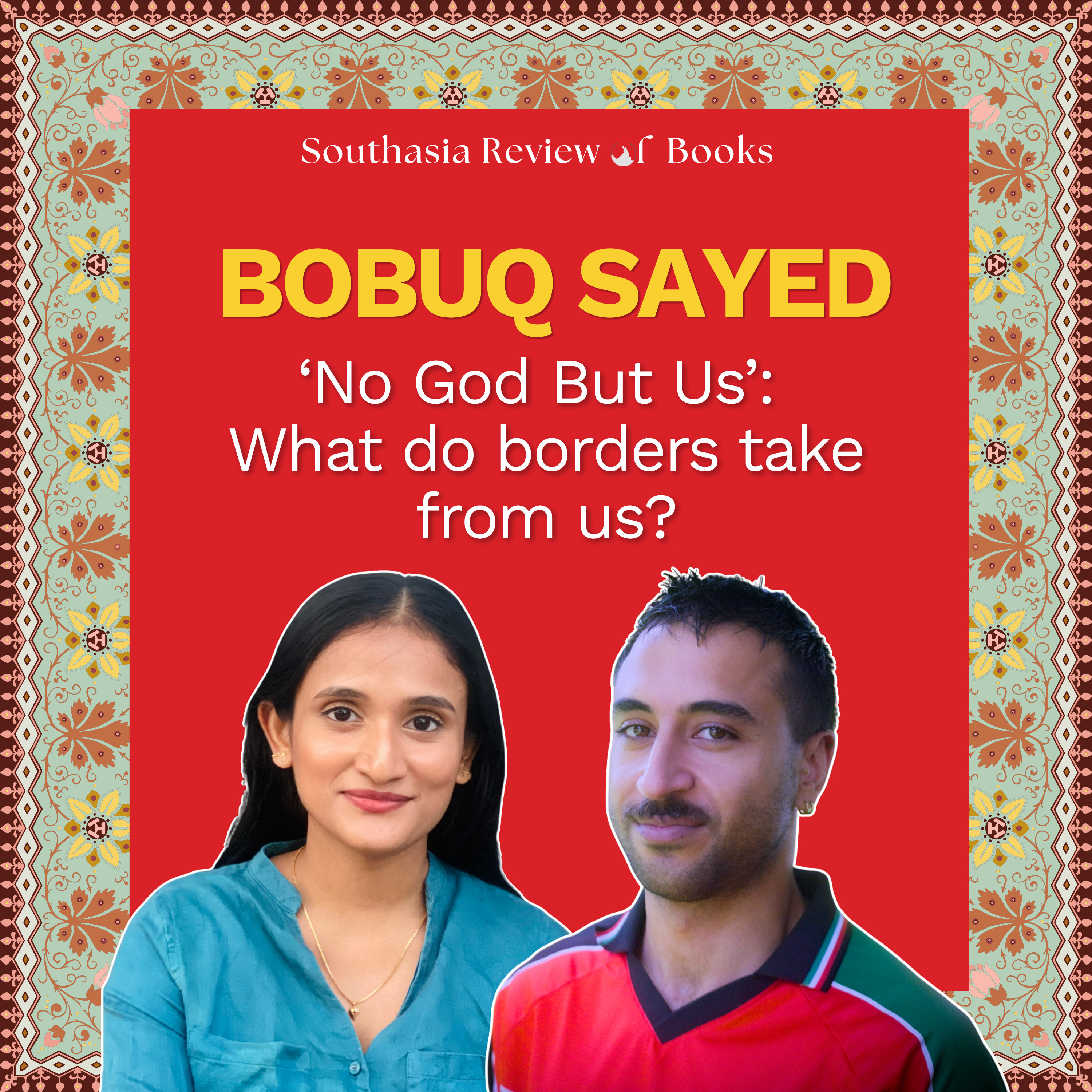
Bobuq Sayed on queer Afghan lives beyond borders: Southasia Review of Books #42
Two queer Afghan men, each forced away from home by circumstances beyond their control, find themselves in Istanbul, where their paths cross in unexpected ways. The writer, artist and poet Bobuq Sayed’s debut novel, ‘No God But Us’, follows Delbar, an aspiring drag queen who leaves his family in Washington DC after being outed, and Mansur, who has left Tehran and is trying to build a life in Istan
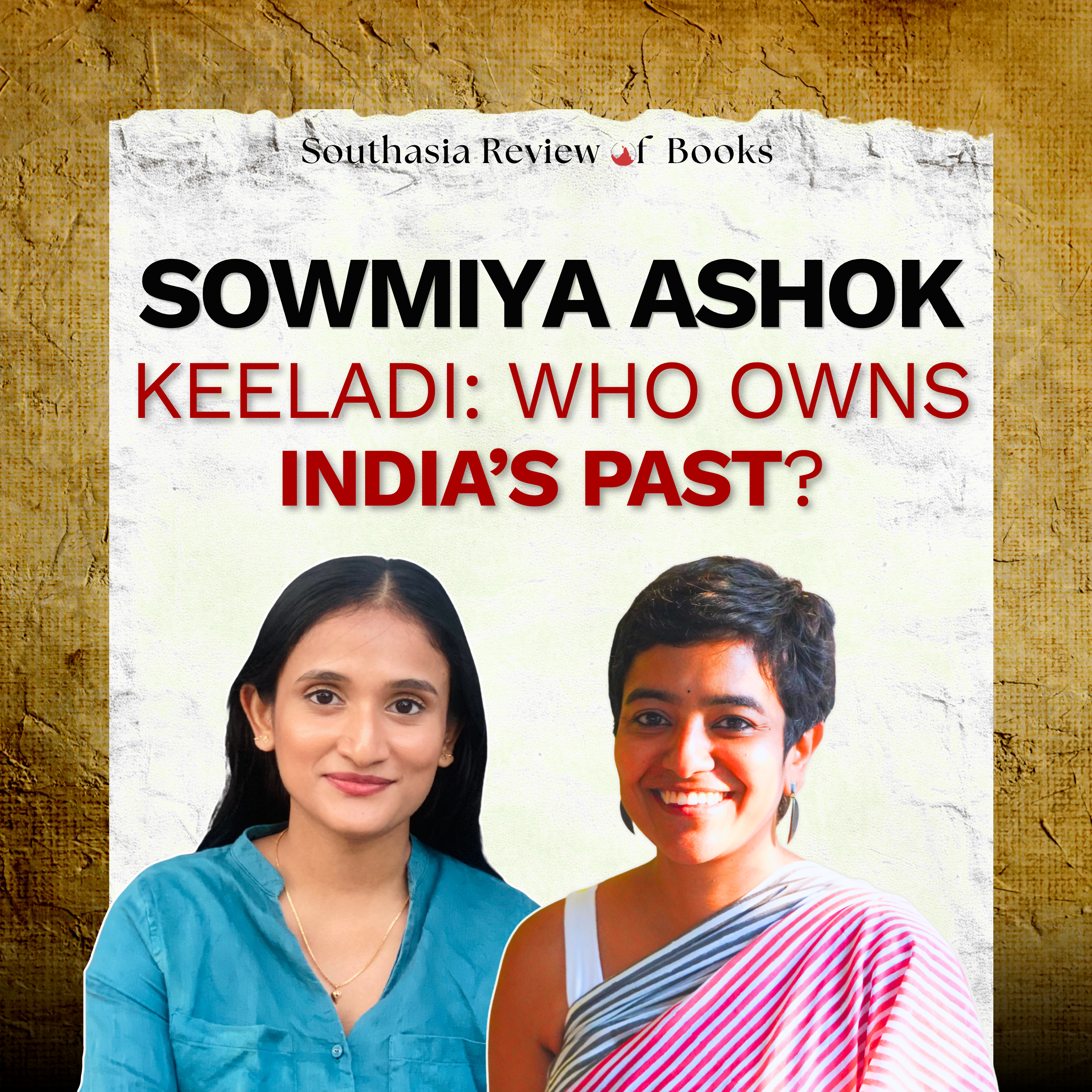
Sowmiya Ashok on what Keeladi tells us about India’s past – and present: Southasia Review of Books #41
In The Dig: Keeladi and the Politics of India’s Past, the Chennai-based journalist Sowmiya Ashok begins with an archaeological excavation in a village outside Madurai in the state of Tamil Nadu and unfolds a much larger story about history, identity, and the struggle over who gets to narrate India’s past. Since its discovery in 2014, Keeladi has become one of India’s most contested archaeological
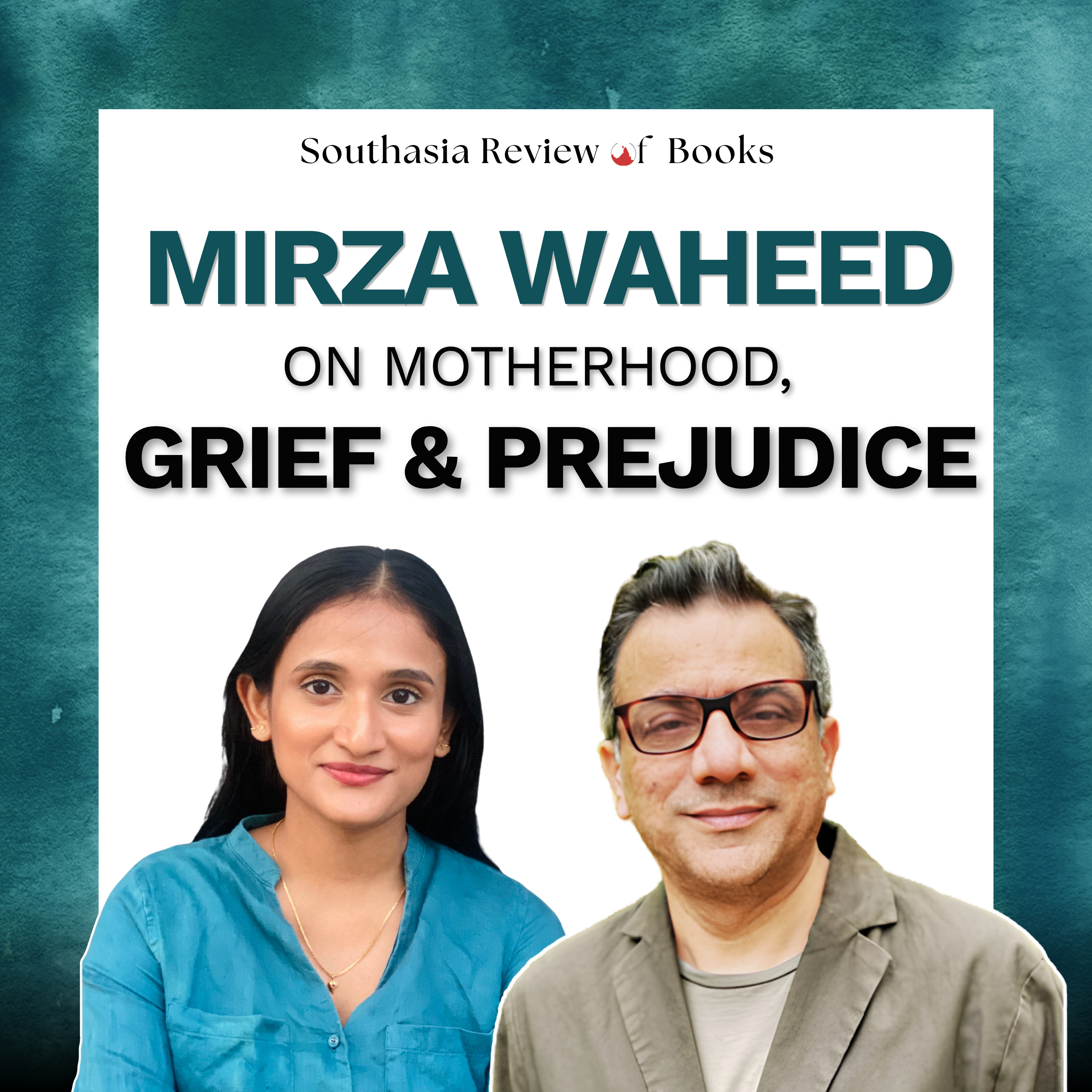
Mirza Waheed on writing beyond the radicalisation story: Southasia Review of Books #40
What does it mean to reckon with loss when there are no clear answers? In Maryam & Son, Mirza Waheed explores that question through the story of Maryam Ali, a mother in London whose son disappears and is drawn into a distant conflict in Iraq. As she waits for answers, the novel moves between memory and grief, tracing what happens when the certainties of motherhood begin to unravel and private
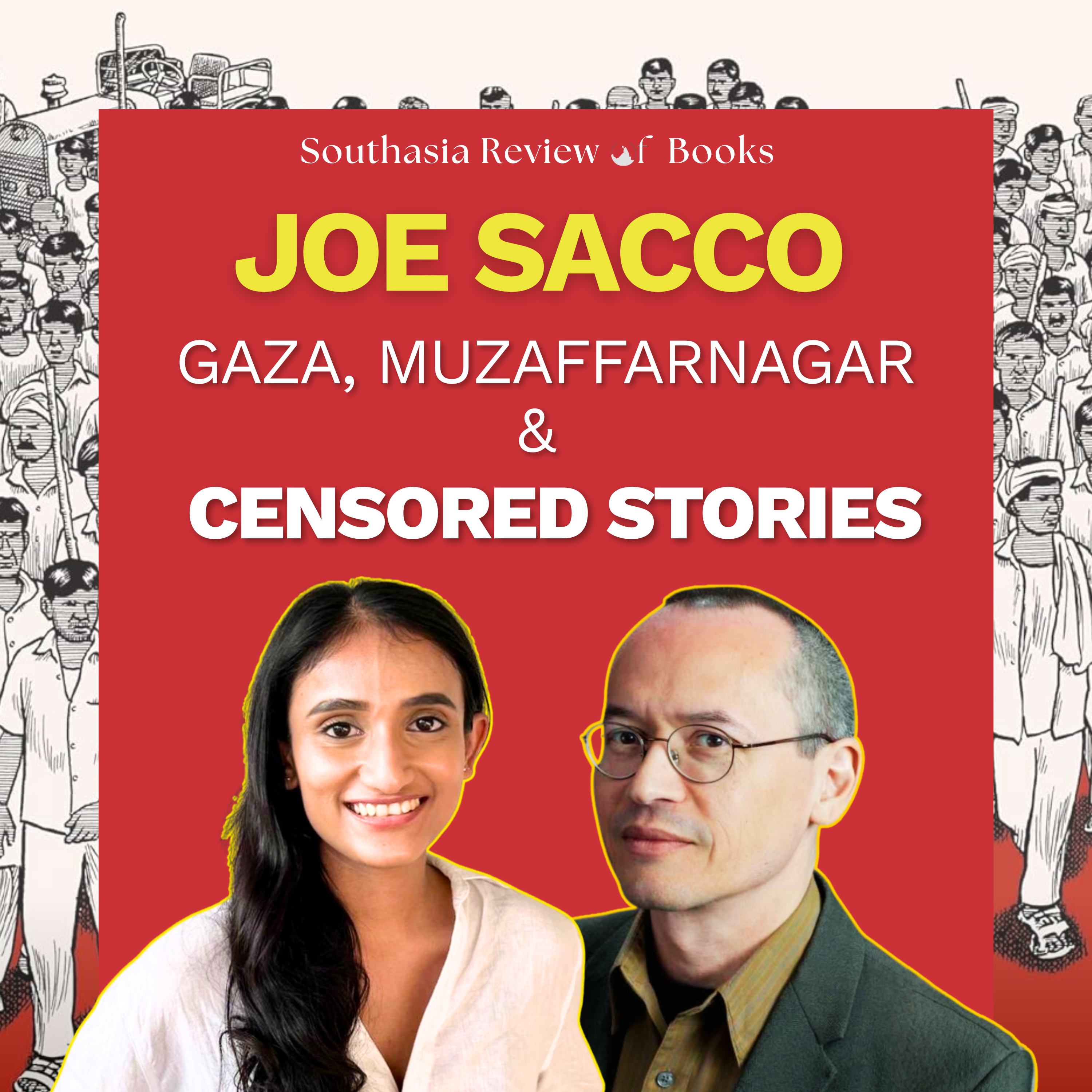
Joe Sacco on the book Penguin India wouldn’t distribute: Southasia Review of Books #39
Episode description: For more than three decades, Joe Sacco has been at the forefront of graphic journalism, combining rigorous reporting with comics to document conflict, displacement and political violence. His landmark works, including ‘Palestine’ and ‘Footnotes in Gaza’, have helped define an entire genre and inspired generations of cartoonists and journalists.His latest book, ‘The Once and Fu
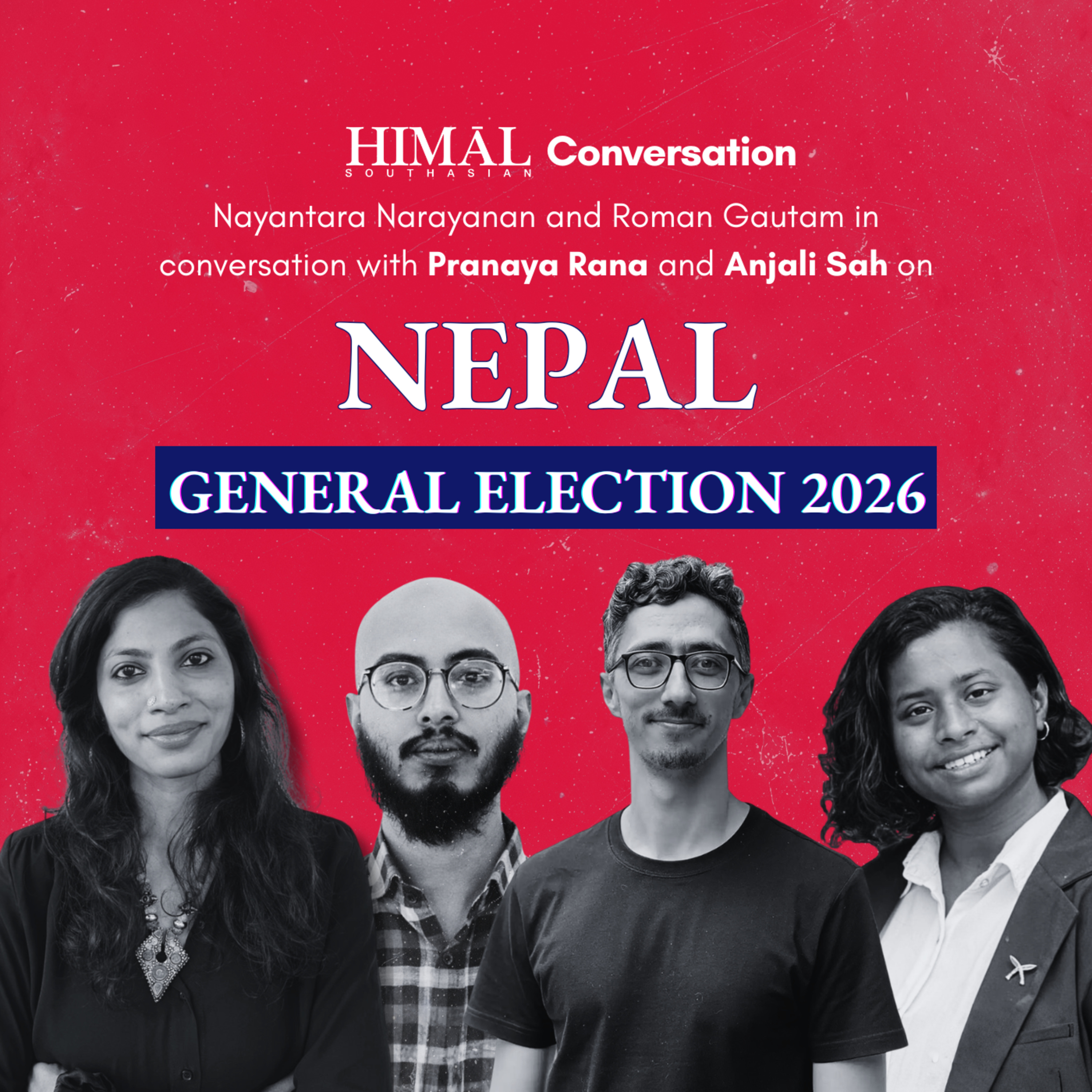
Nepal Elections 2026: Parties, Power, and the Promise of Change | Himal Conversations
Nepal goes to the polls on 5 March 2026. But what do these elections actually mean for a country still navigating the turbulence of its recent past?In this episode, Himal's editor Roman Gautam and associate editor Nayantara Narayanan are joined by law student and intersectional feminist Anjali Sah and writer and journalist Pranaya Rana for a wide-ranging conversation on Nepal's upcoming ge
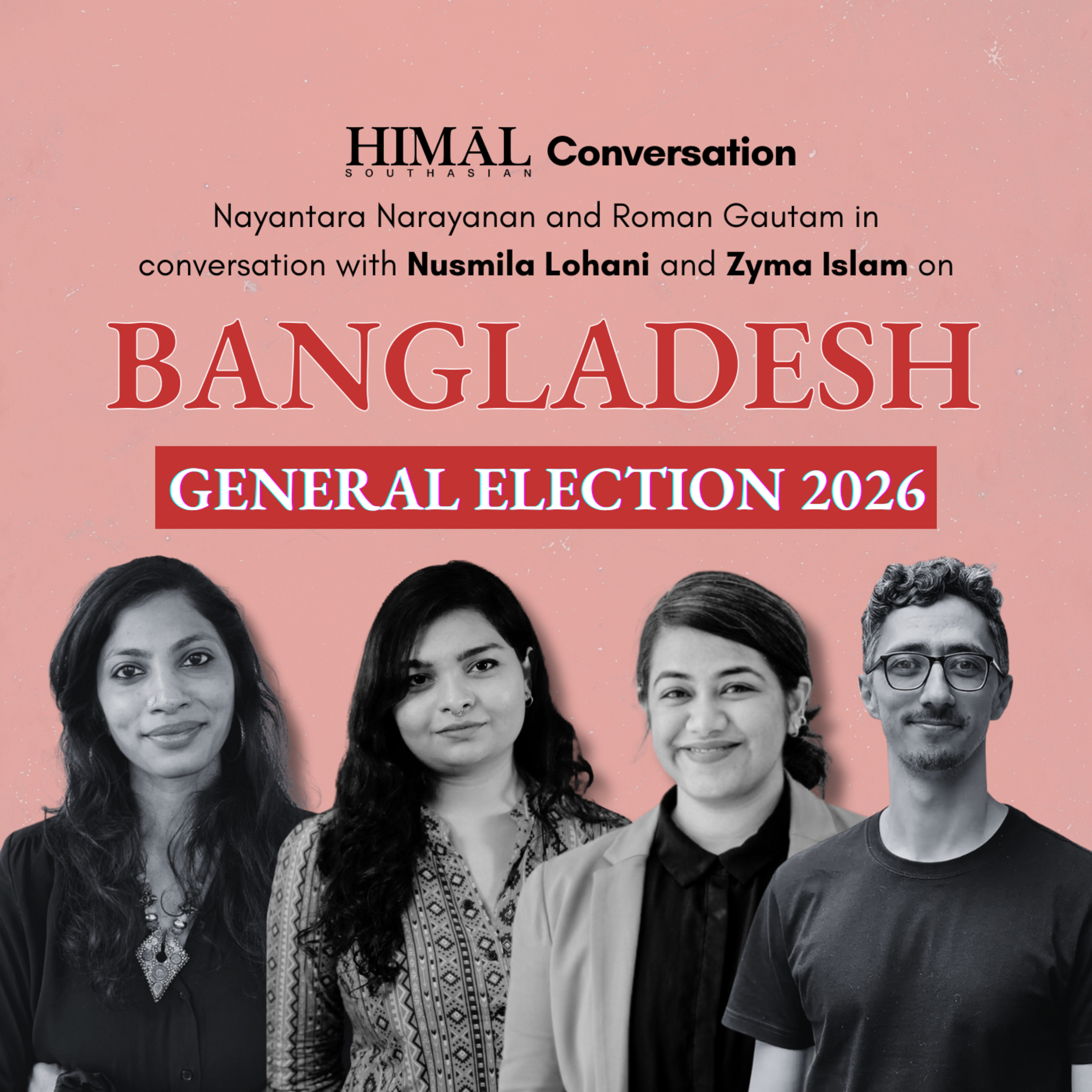
The high stakes of the 2026 Bangladesh election | Nusmila Lohani and Zyma Islam
On 12 February 2026, Bangladesh holds its first election since the July Revolution in 2024 that overthrew the authoritarian government of Sheikh Hasina and the Awami League. These polls are among the most critical in the country’s tumultuous history. Hasina’s exile, a ban on the Awami League and a generational change in the Bangladesh Nationalist Party (BNP) after Khaleda Zia’s death have transfor
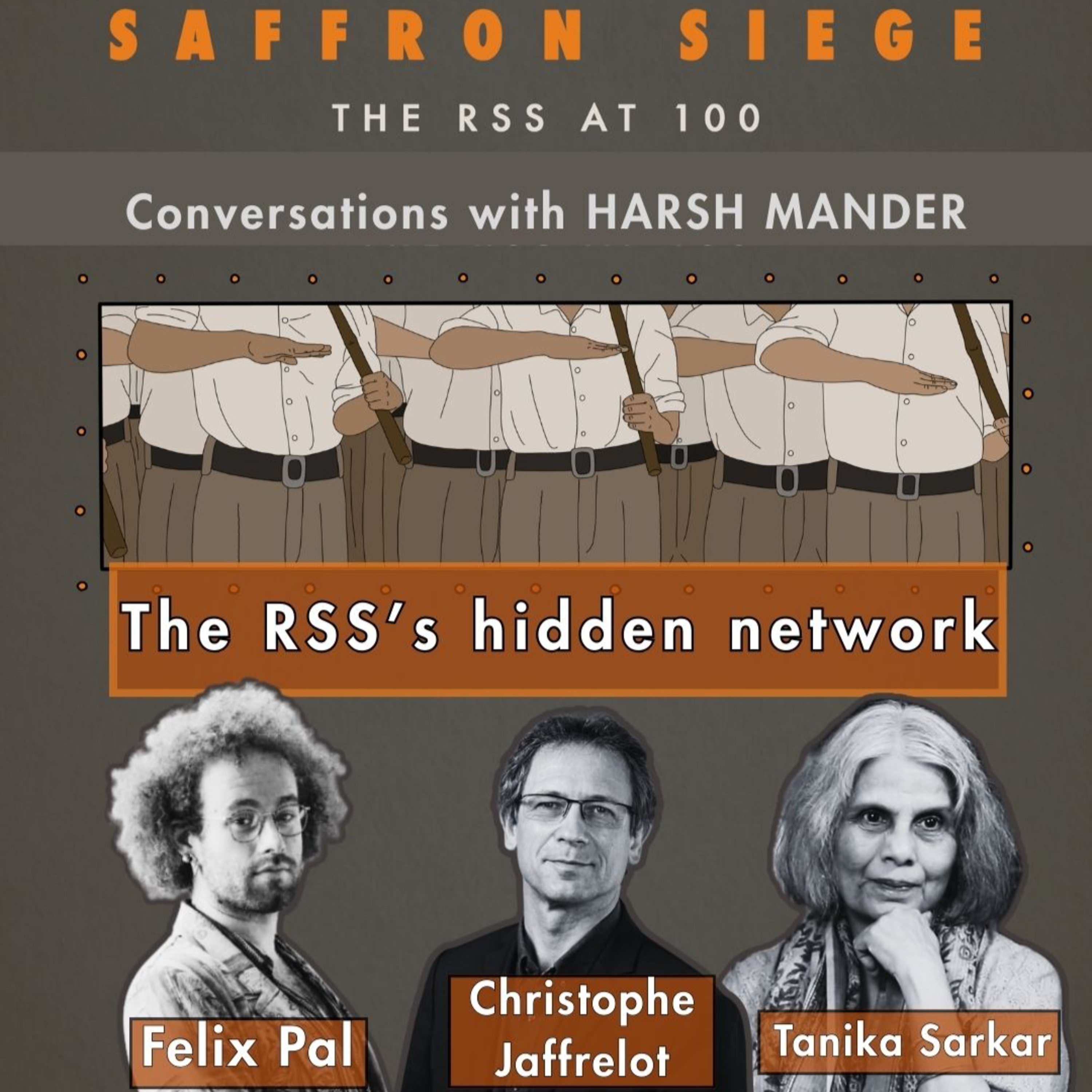
Felix Pal, Christophe Jaffrelot & Tanika Sarkar on the RSS’s hidden network
In this special episode of Saffron Siege: The RSS at 100, Harsh Mander speaks to Felix Pal, a lecturer on political science and international relations at the University of Western Australia, about his six-year long research into the RSS and its affiliates recently published in The Caravan magazine. The research revealed a network of 2500 organisations around the world that are directly or indirec
Ayesha Jalal on Pakistan’s 27th constitutional amendment: State of Southasia #37
Pakistan has been reshaped by its 27th constitutional amendment that was passed in November. The amendment has formalised the military’s so-far unofficial dominance in the country’s governing structure into explicit constitutional supremacy. It was passed by a politically fragile parliament facing questions over its own legitimacy and elevates the army chief Asim Munir to an almost unassailable po

Nirvana Bhandary on what it means to be a feminist in Nepal today: Southasia Review of Books podcast #38
A conversation with the writer and filmmaker Nirvana Bhandary on her collection of essays exploring feminist thought, lived experience and the generational shifts transforming contemporary Nepali womanhood.Welcome to the Southasia Review of Books podcast, where we speak to celebrated authors and emerging literary voices from across Southasia. In this episode, Shwetha Srikanthan speaks to the write
Ram Puniyani & Harsh Mander on the RSS’s entrenched influence on India’s polity
In this episode of Saffron Siege, the writer, historian and social activist Ram Puniyani explains the background of India’s freedom struggle in which the RSS was founded. He says the the founders of the RSS were reacting to the education of Dalits and women and the influx of average people into the national movement. On the other hand, they were influenced by the fascist nationalism growing in Eur
Purushottam Agrawal & Harsh Mander on why the RSS hates Nehru, and more
India’s first prime minister Jawaharlal Nehru has become a figure of hate and derision for the ruling Bharatiya Janata Party (BJP) under the leadership of Narendra Modi and for the Rashtriya Swayamsevak Sangh (RSS), its ideological parent. In this episode of Saffron Siege, Harsh Mander and historian Purushottam Agrawal examine the reasons for their particular resentment against Nehru. Agrawal ways
Anjali Bhardwaj on misgivings over India’s Election Commission: State of Southasia #36
The Election Commission of India was, for many years, one of the country’s most trusted public institutions lauded around the world for carrying out, every five years, the seemingly impossible task of India’s general elections. The commission was seen as non-partisan that did its work without fear or favour. That reputation has taken a hit in recent years. Since August this year, it has been fac
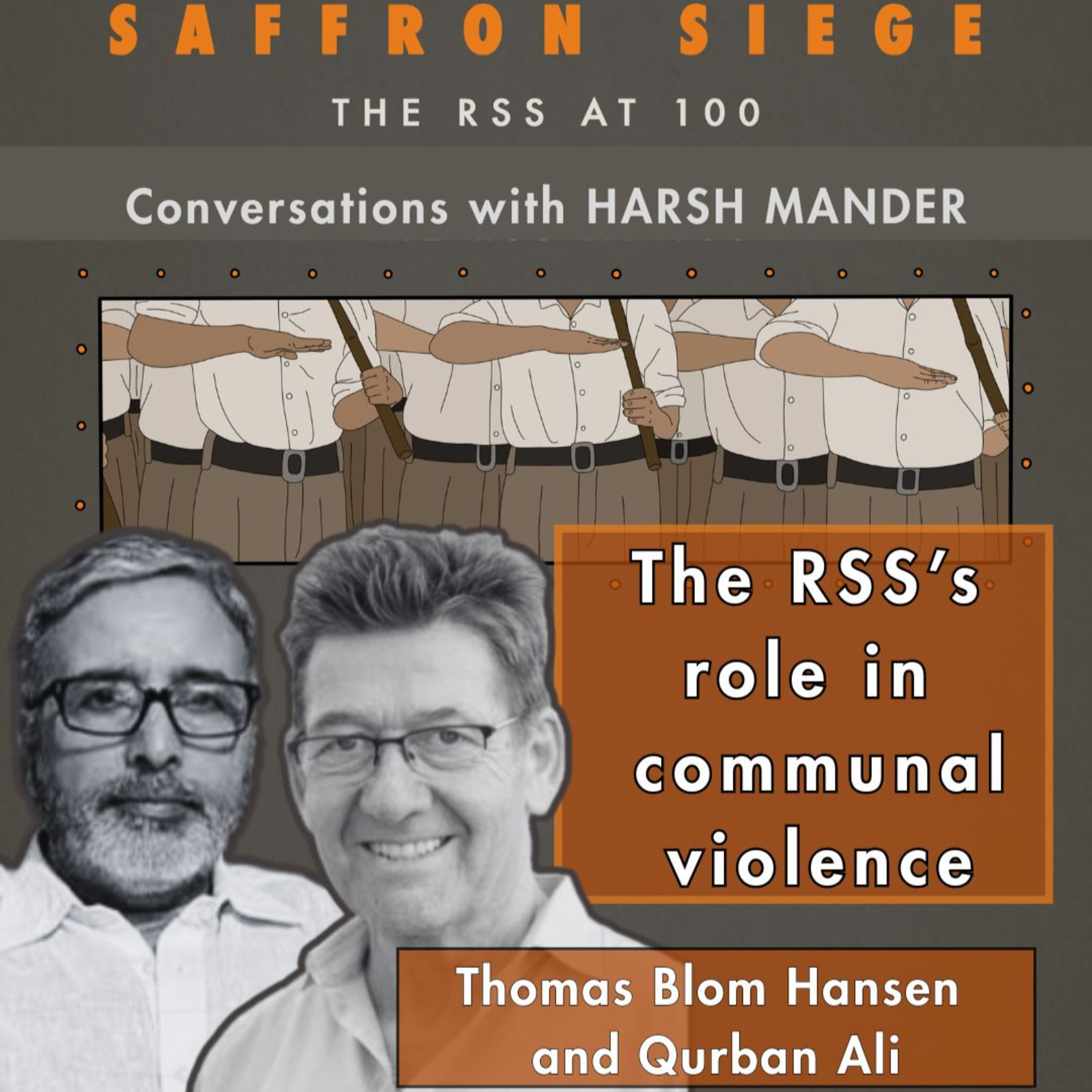
Thomas Blom Hansen, Qurban Ali & Harsh Mander on the RSS’s role in communal violence
In this episode of Saffron Siege, the anthropologist Thomas Blom Hansen and journalist Qurban Ali join Harsh Mande to examine how the RSS has triggered, enabled and executed riots, targeted communal attacks and other forms of communal violence in India over the 100 years of its existence. Ali who has reported on many of these incidents on the ground documents how many commissions have found the RS
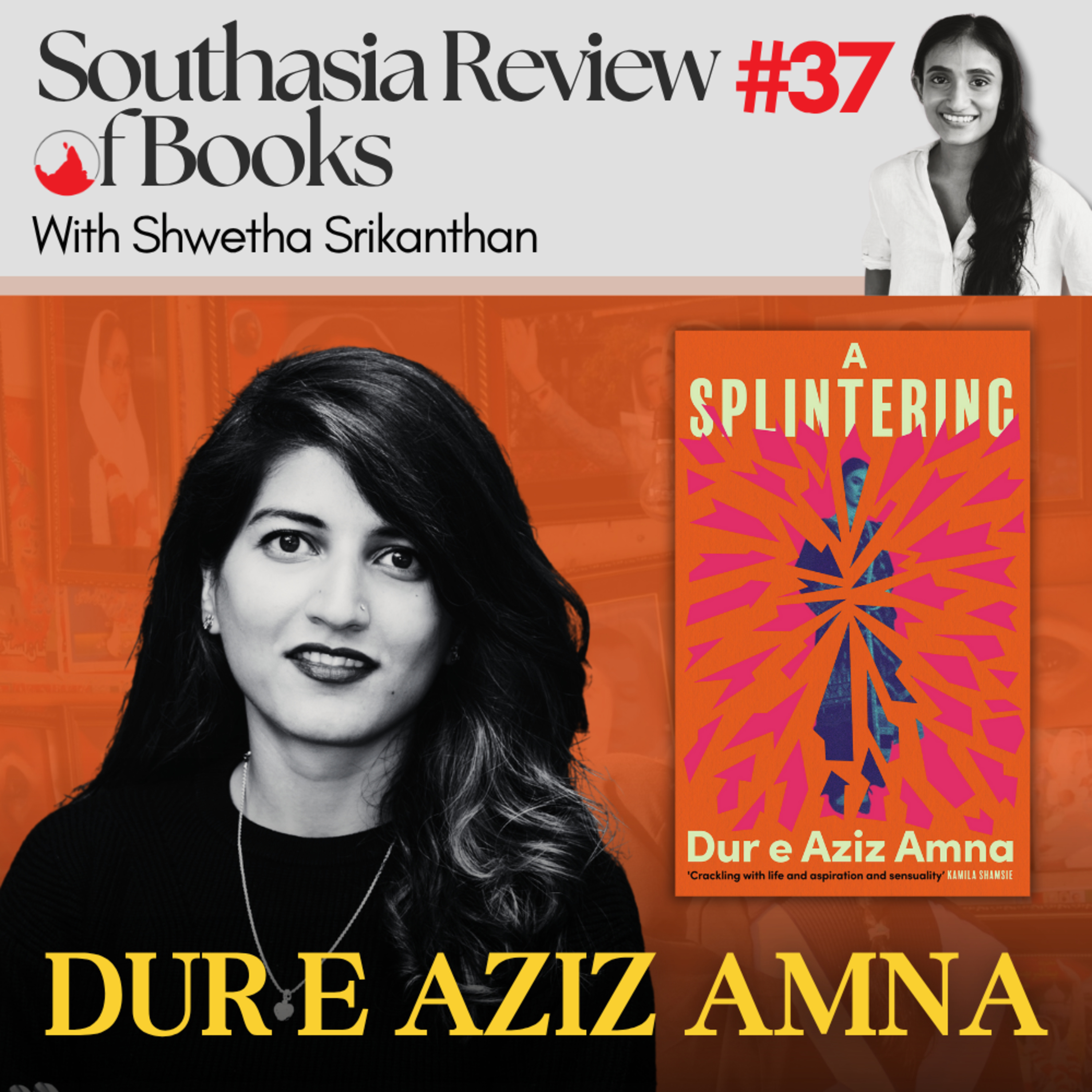
Dur e Aziz Amna on writing a story of womanhood and ambition in Pakistan: Southasia Review of Books podcast #37
A conversation with the writer Dur e Aziz Amna about her second novel, ‘A Splintering’, and its exploration of class struggle, female rage, and the challenges of navigating social expectations across rural and urban Pakistan. Welcome to the Southasia Review of Books podcast, where we speak to celebrated authors and emerging literary voices from across Southasia. In this episode, Shwetha Srikanthan
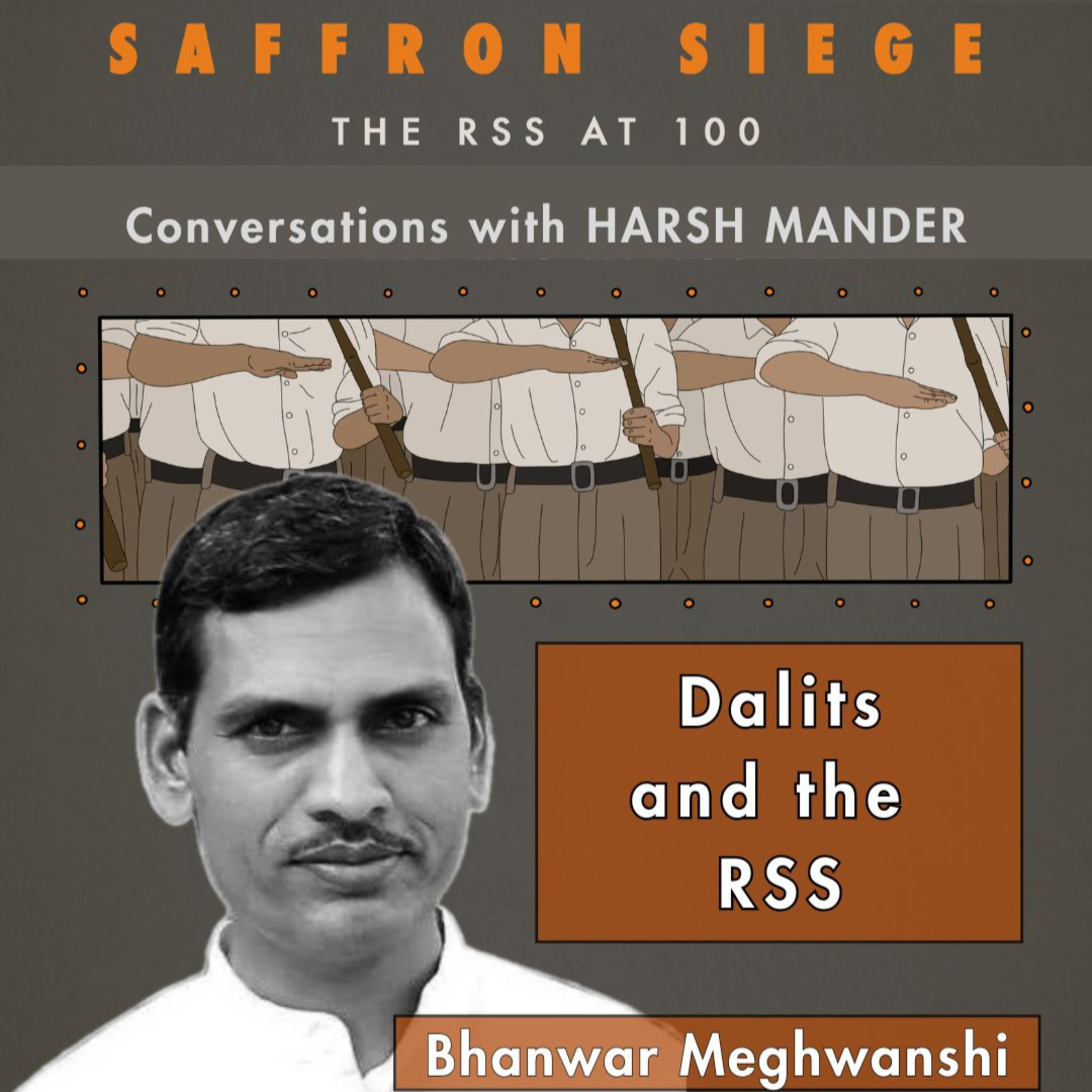
Bhanwar Meghwanshi & Harsh Mander on Dalits and the RSS
Bhanwar Meghwanshi, who is a writer and a social and political activist, was once a member of the Rashtriya Swayamsevak Sangh. He was a self-described “complete bhakt” with dreams of becoming a pracharak (preacher) till he realised that the RSS was as casteist as the rest of Hindu and Indian society. Meghwanshi who is a Dalit is now a strong opponent of the RSS and its divisive ideology. He descri
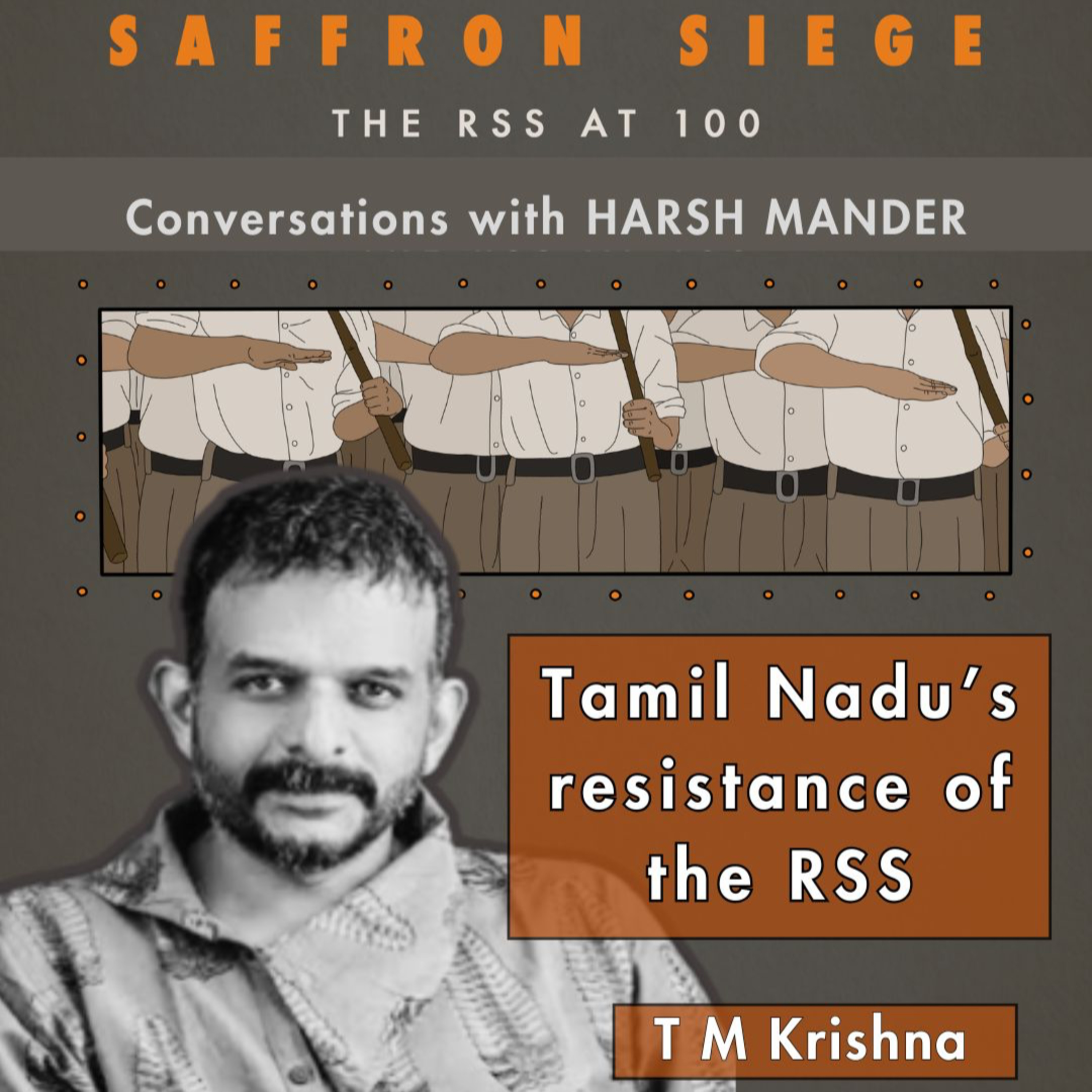
T M Krishna & Harsh Mander on Tamil Nadu’s resistance of the RSS
The trajectory of the RSS in south India is very different from its history and progress in the north and northeast of the country. While coastal Karnataka was the landing ground of the Sangh in the south as far back as the 1950s, Hindutva found little traction in large parts of the south till the last decade when Narendra Modi and his BJP have been in national power. The biggest resistance to the
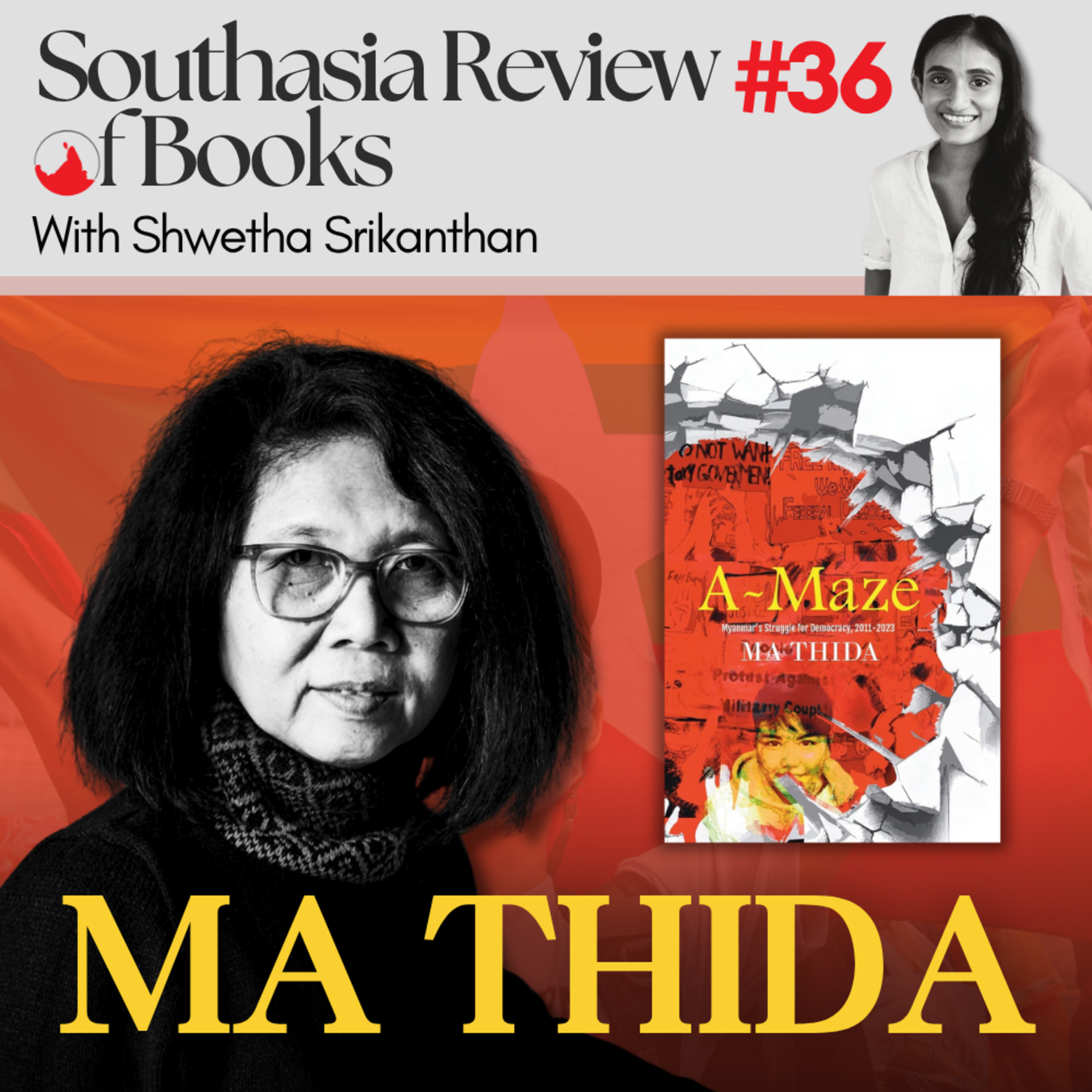
Ma Thida on Myanmar’s unfinished struggle for democracy: Southasia Review of Books podcast #36
As the Spring Revolution approaches its fifth year, Ma Thida, one of Myanmar’s foremost activists and intellectuals, reflects on the country’s political trajectory leading up to and beyond the 2021 military coup – and the people’s enduring fight for democracy. Welcome to the Southasia Review of Books podcast, where we speak to celebrated authors and emerging literary voices from across Southasia.
Akshaya Mukul, Kunal Purohit & Harsh Mander on the RSS and Hindutva’s propaganda machinery
How has the RSS and Hindutva propaganda worked over a century? Journalists and writers Akshaya Mukul and Kunal Purohit dive into the strategies and successes with Harsh Mander on the this episode of Saffron Siege. Mukul examines the popularity Gita Press, which was founded in 1923 – two years before the RSS itself, and its many publications and how it insinuated itself into the consciousness of mi
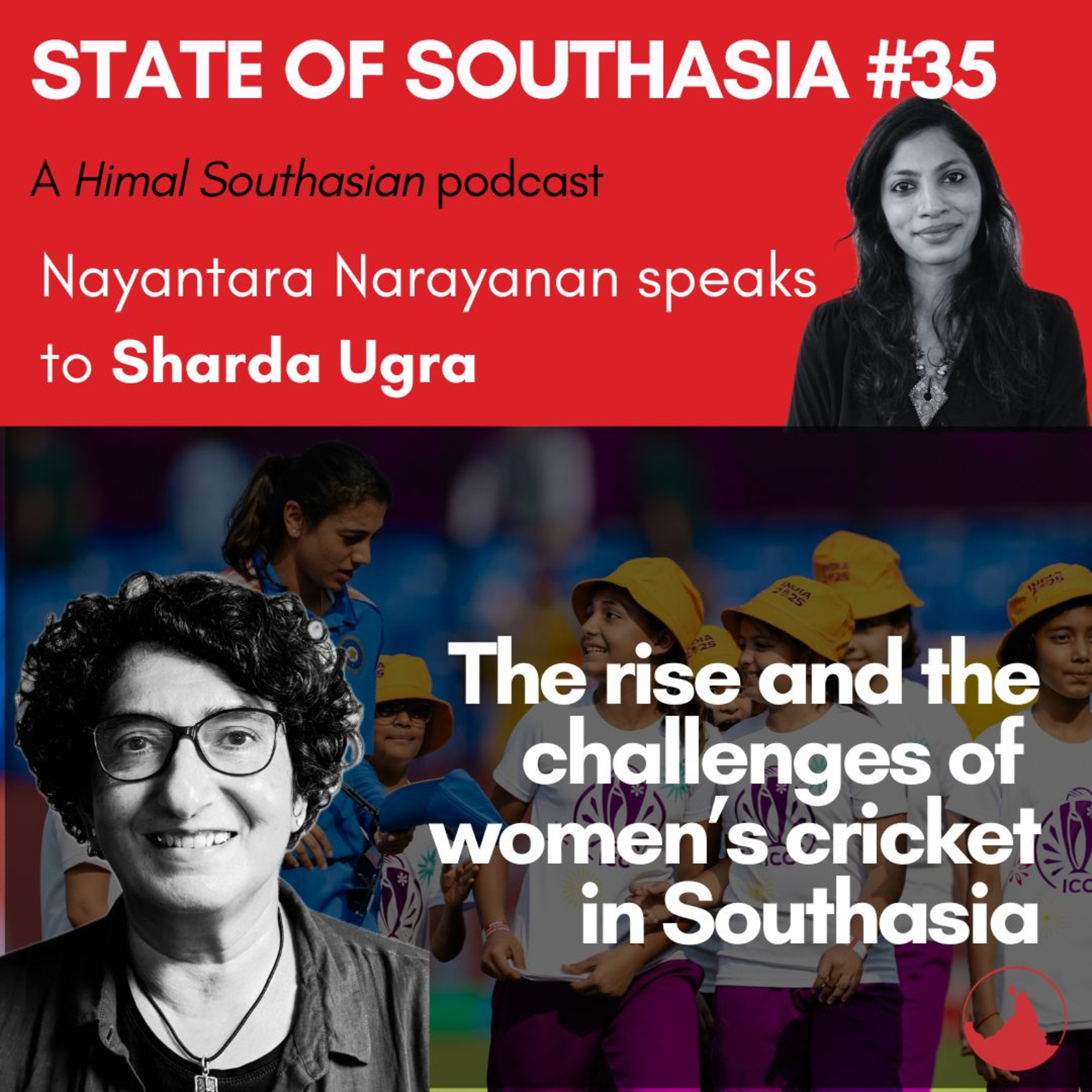
Sharda Ugra on the rise (and the challenges) of women’s cricket: State of Southasia #35
As the ICC Women’s Cricket World Cup reaches its final week, veteran sports journalist Sharda Ugra examines the progress that women’s cricket in Southasia has made in recent years – especially since 2017, when the ICC televised the tournament, drawing in a wider audience and greater interest – as well as persistent gaps shaping women’s cricket today. In this episode of State of Southasia, Ugra ref
Kamal Nayan Choubey, Tariq Thachil & Harsh Mander on the RSS and Adivasis
Political scientists Tariq Thachil and Kamal Nayan Choubey speak to Harsh Mander about how the RSS and its offshoots have made inroads into and are influencing tribal and Adivasi society. They discuss the role of the Vanvasi Kalyan Ashram and Ekal Vidyalayas in co-opting tribal communities into broader Hindu society and their stated goals of countering Christian missionaries and alleged conversion

Amrita Mahale on writing a Himalayan literary mystery: Southasia Review of Books podcast #35
The Mumbai based author Amrita Mahale discusses her novel ‘Real Life’ – delving into female friendship, obsession, Artificial Intelligence, and what it means to live freely in a world of control: https://www.himalmag.com/podcast/amrita-mahale-himalaya-literary-mystery-novelWelcome to the Southasia Review of Books podcast, where we speak to celebrated authors and emerging literary voices from acros
Ahmed Naish on Maldives’s controversial new media regulation law: State of Southasia #34
On 18 September, Maldives President Mohamed Muizzu ratified a new media law aimed at streamlining media regulation and seeking to curb disinformation. The law allowed the creation of a new commission with extensive powers, including the ability to block news websites, suspend media outlets’ registrations, issue fines to journalists and criminalise vague offences such as spreading fake news.There w
Tanika Sarkar & Harsh Mander on the RSS, Hindutva and women
The feminist historian Tanika Sarkar speaks to Harsh Mander about the role of women in the #RSS, the organisation's view on gender and its reinforcement of patriarchy. Sarkar describes the creation of the RSS's women's wing, the Rashtra Sevika Samiti, and how it evolved over the years. She also speaks about the women leaders have emerged in the Hindutva fold to gain strategic power in
Aakar Patel, Rana Ayyub and Harsh Mander on the RSS and Hindu Rashtra today
In this writer Aakar Patel and journalist Rana Ayyub examine with Harsh Mander whether India under Narendra Modi has transformed into a Hindu Rashtra or and to what extent does India’s secular socialist democracy still endures.You can watch this conversation on YouTube: https://youtu.be/P3mb8QO9uDUThis episode is part of Season Two of Partitions of the Heart. In this season, Harsh Mander speaks to
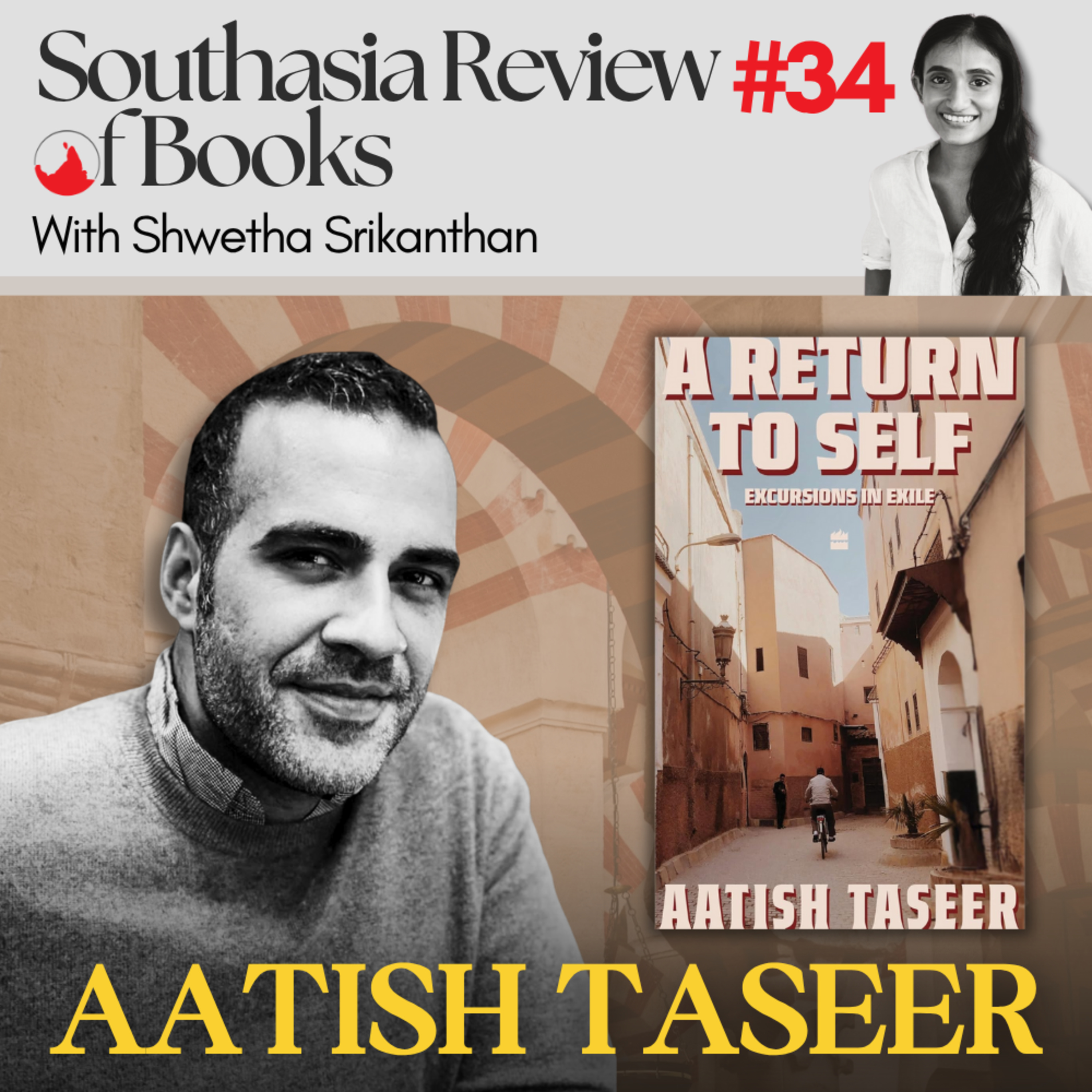
Aatish Taseer on exile and the idea of return: Southasia Review of Books podcast #34
Welcome to the Southasia Review of Books podcast, where we speak to celebrated authors and emerging literary voices from across Southasia. In this episode, Shwetha Srikanthan speaks to the writer Aatish Taseer on history, syncretism and the search for belonging at the heart of his new book, A Return to Self: Excursions in Exile (HarperCollins Fourth Estate India, July 2025). https://www.himalmag.c
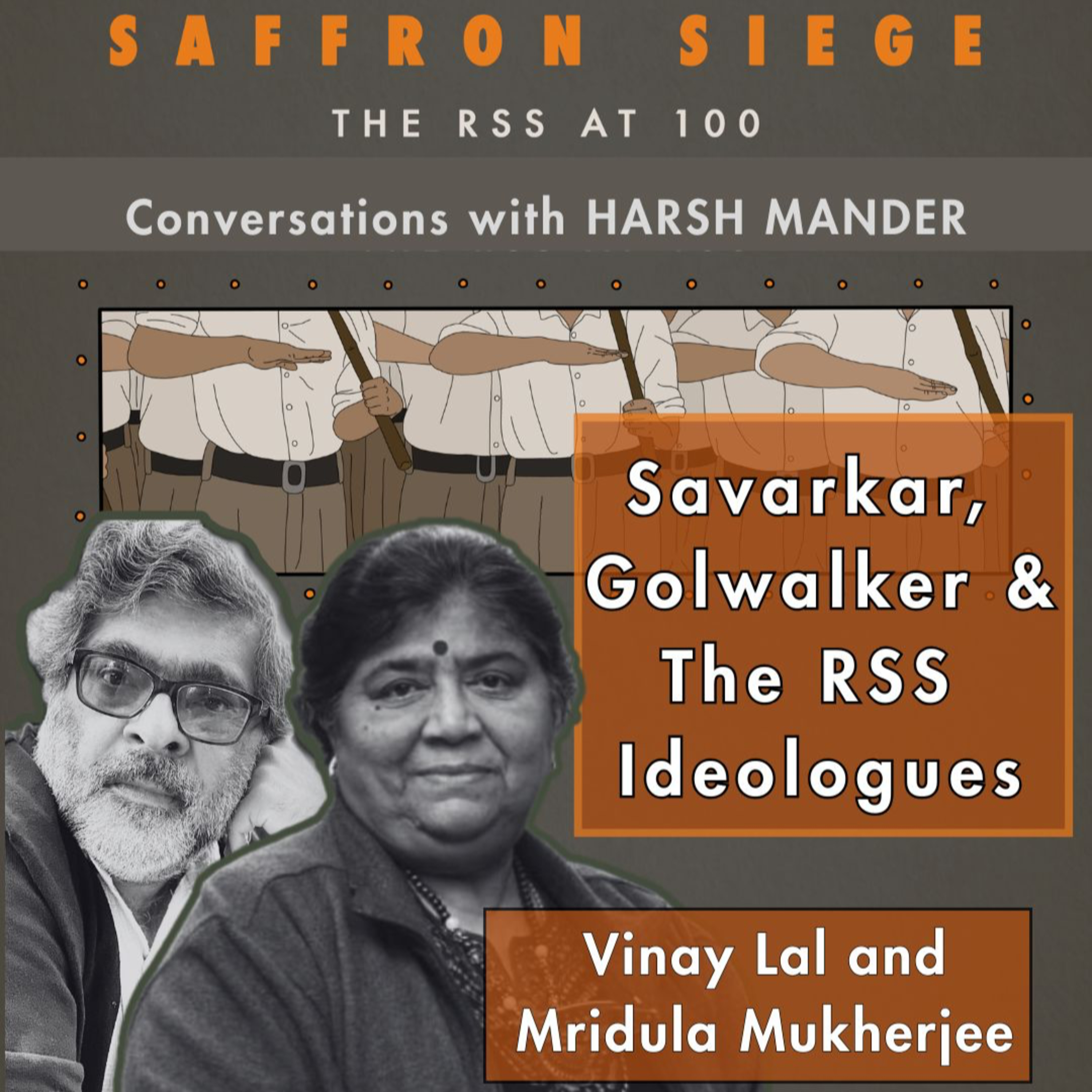
Mridula Mukherjee, Vinay Lal & Harsh Mander on the RSS ideologues
In this episode, Harsh Mander speaks to historians Mridula Mukherjee and Vinay Lal about the origins of the RSS, the ideologies of its founders, the it played (and did not play) in India’s freedom struggle, and its role during the Partition riots.Mukherjee talks about how in pre-independence India, the idea that Hindus must constitute a separate nation that opposed including minorities already exi
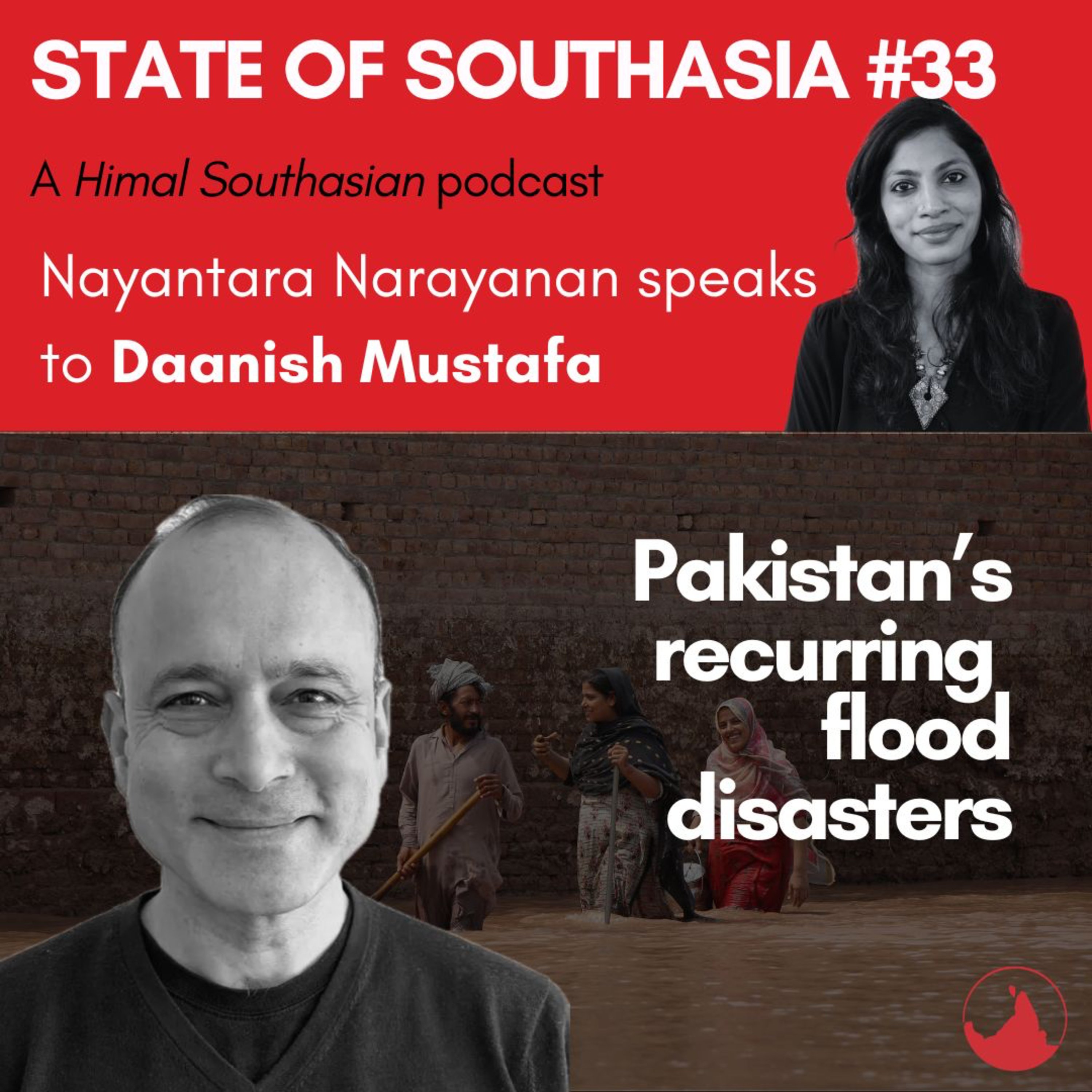
Daanish Mustafa on Pakistan’s recurring flood disasters: State of Southasia #33
Since June, Pakistan has experienced yet another season of severe monsoon flooding, with particularly heavy impacts across the Punjab region. Flood waters and landslides have claimed many hundreds of lives and displaced hundreds of thousands more. The Pakistan Disaster Management Authority announced that, by 10 September, that 900 people had died and about four million were impacted by the floods.
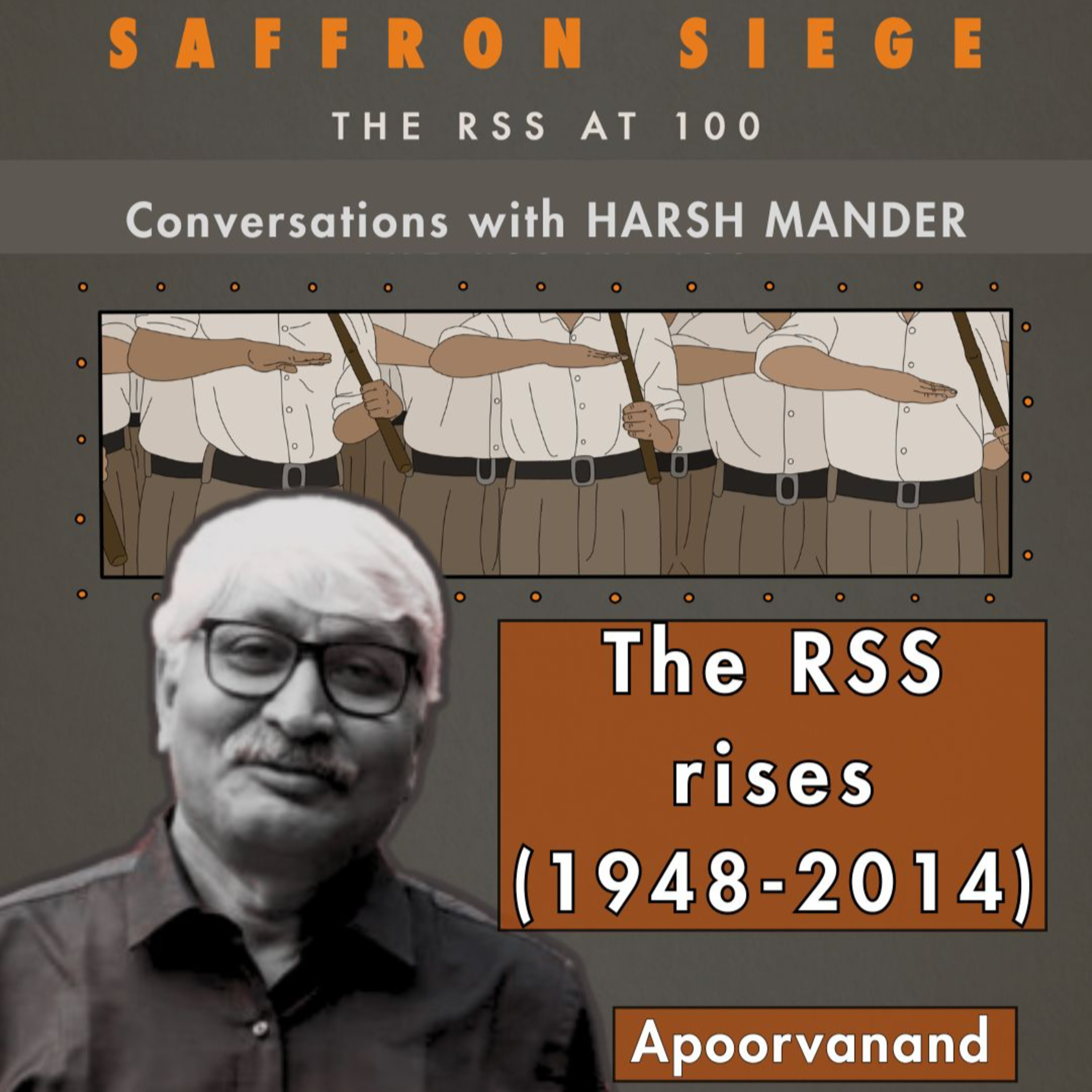
Apoorvanand & Harsh Mander: The RSS's emergence from the shadows after 1948
In this episode of "Saffron Siege: The RSS at 100", Apoorvanand discusses how the Hindu and Hindutva common sense kept the RSS popular even though it was banned after Gandhi's assassination in 1948. He talks to Harsh Mander about how it emerged from the shadows of being a banned organisation, how it grew from strength to strength through the 1960s, 1970s up till 2014 when Narendra Mo
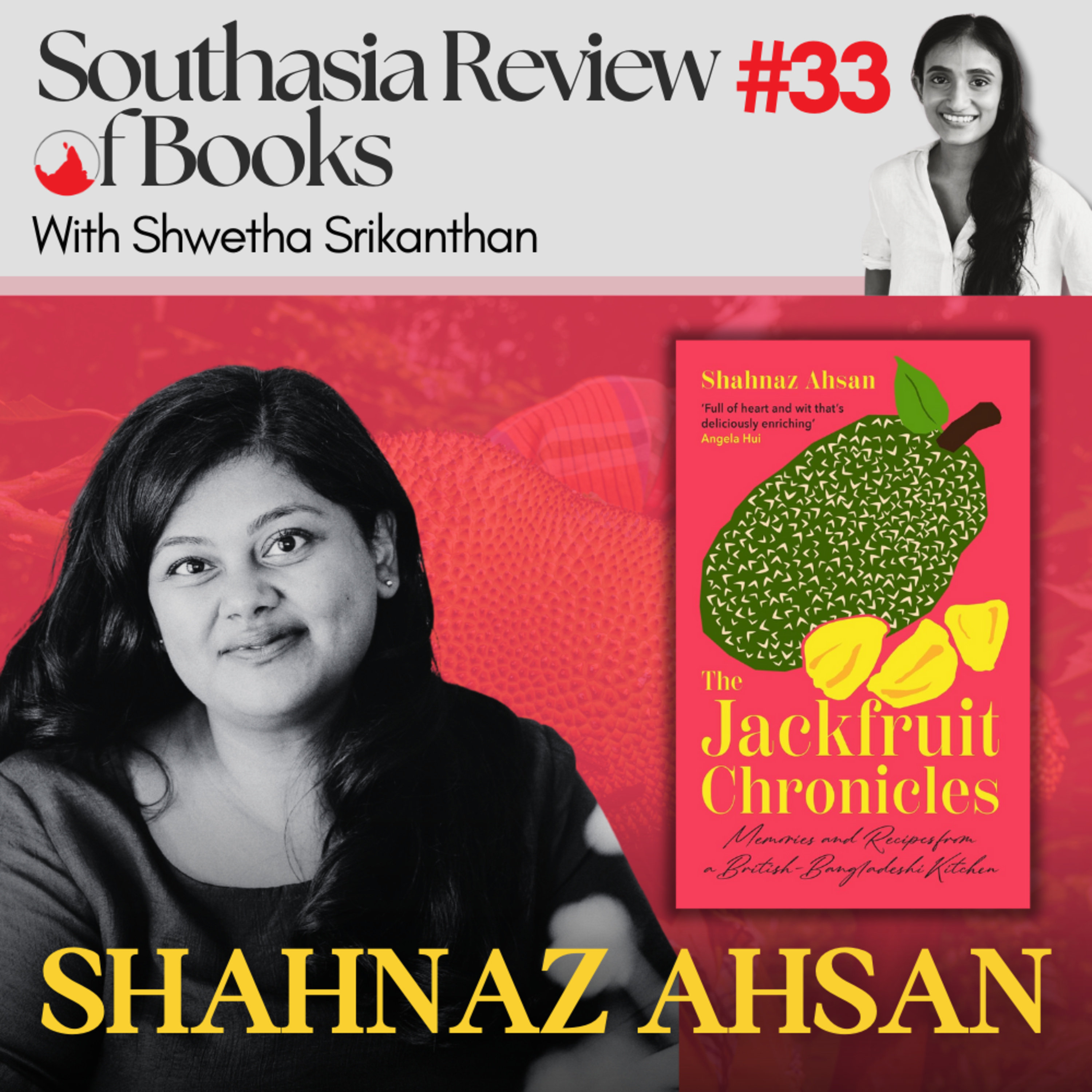
Shahnaz Ahsan on food, identity and the Bangladeshi diaspora: Southasia Review of Books podcast #33
In her new book ‘The Jackfruit Chronicles’, the award-winning food writer Shahnaz Ahsan invites us into her family’s British-Bangladeshi kitchen, showing how food carries both resistance and remembrance, and reflects the complexities of diasporic life in Britain: https://www.himalmag.com/podcast/shahnaz-ahsan-food-bangladesh-diasporaWelcome to the Southasia Review of Books podcast, where we speak
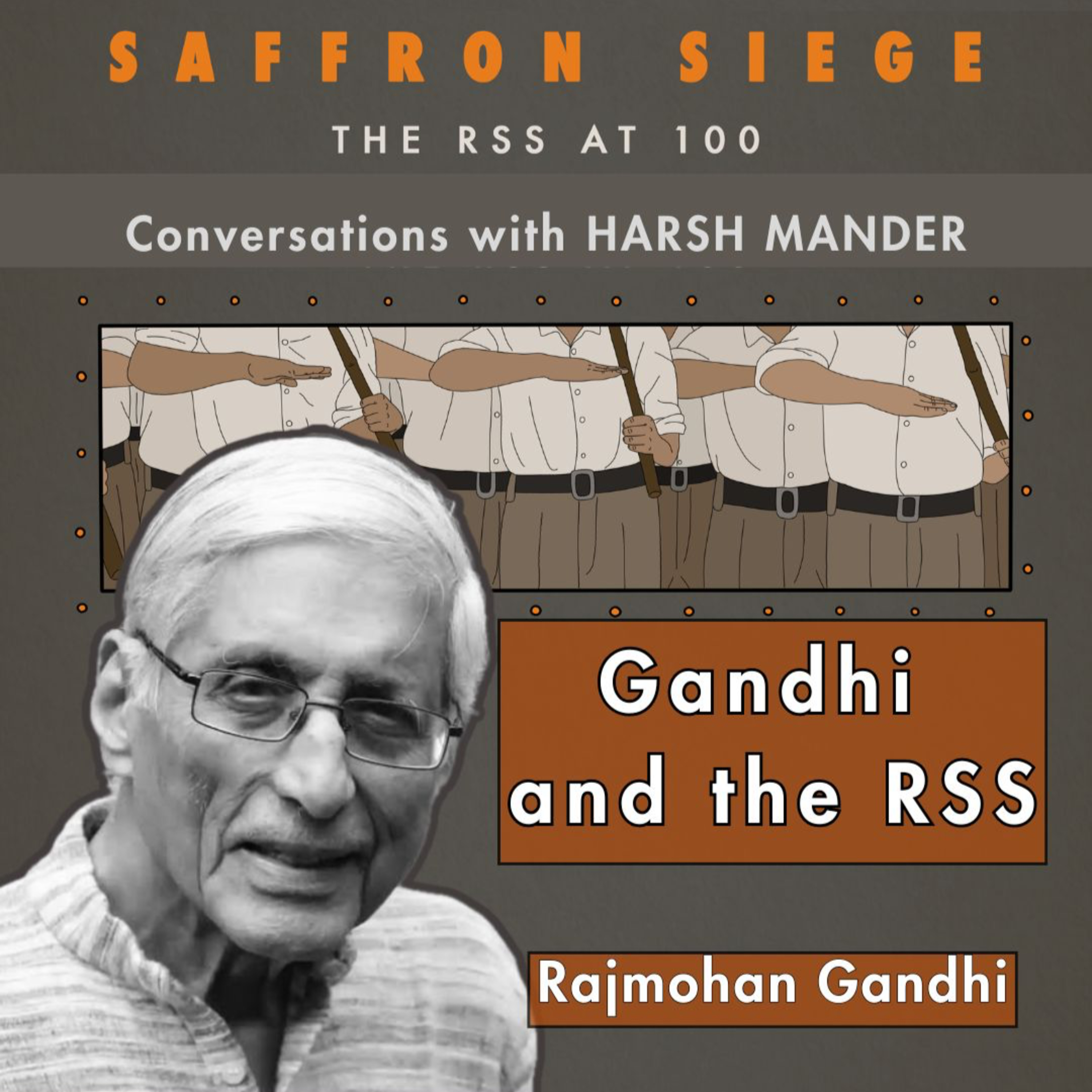
Rajmohan Gandhi & Harsh Mander: Gandhi and the RSS
In this inaugural episode of the podcast “Saffron Siege”, Harsh Mander speaks to Rajmohan Gandhi, a renowned historian and grandson of Mohandas Gandhi, on the hostility of the Hindu Mahasabha and the Rashtriya Swayamsevak Sangh towards Gandhi that ultimately led to his assasination in January 1948.Rajmohan Gandhi describes how Gandhi's demand for an India that belonged equally to all religions
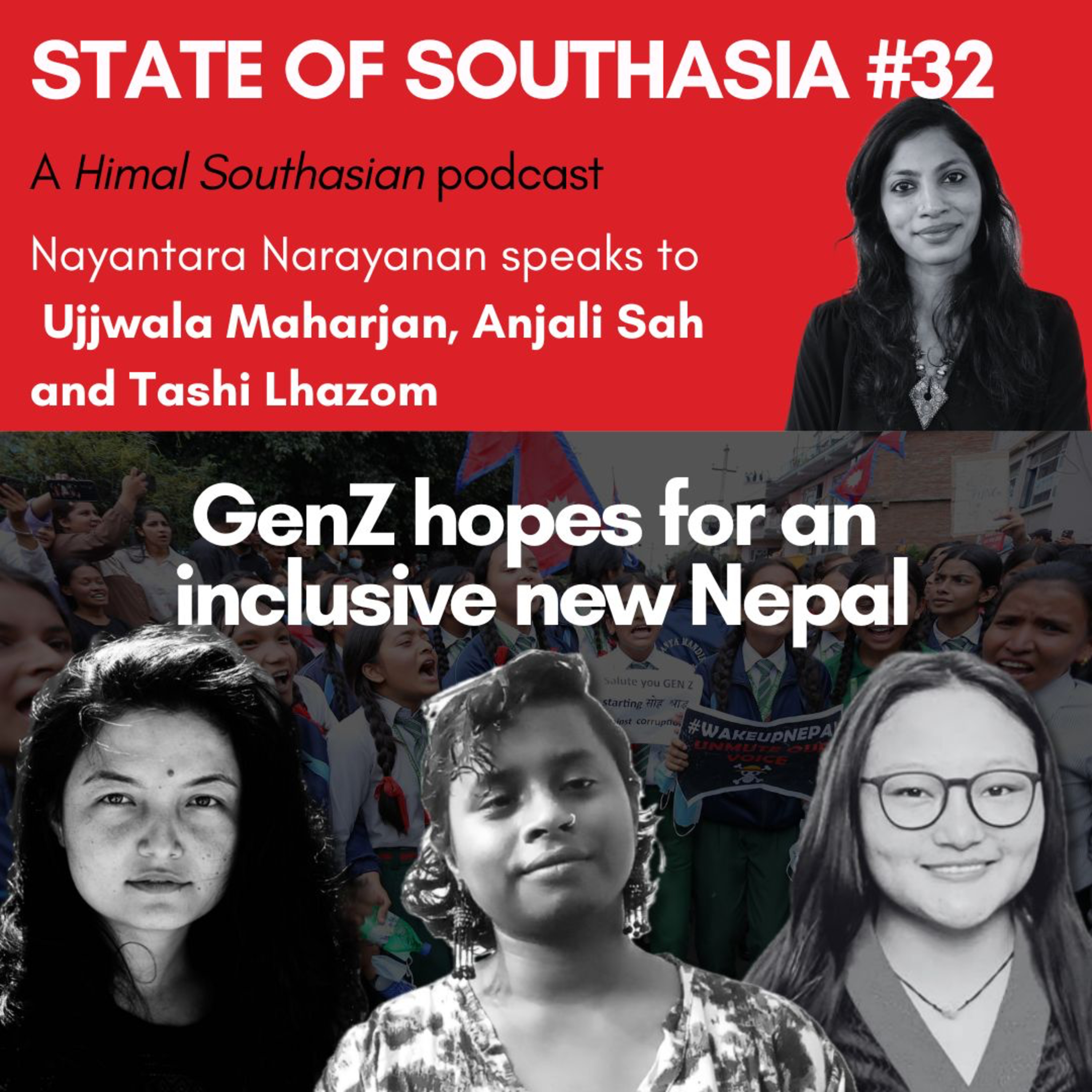
GenZ hopes for an inclusive new Nepal: State of Southasia #32
All eyes have been on Nepal since last week when a large but loosely organised protest by young people in Kathmandu turned into a revolution that brought down the government. On September 8th, many groups of young college and school goers took out a peaceful protest march in Kathmandu. There had been rising anger about systemic corruption and nepotism among the political class that was the foundat
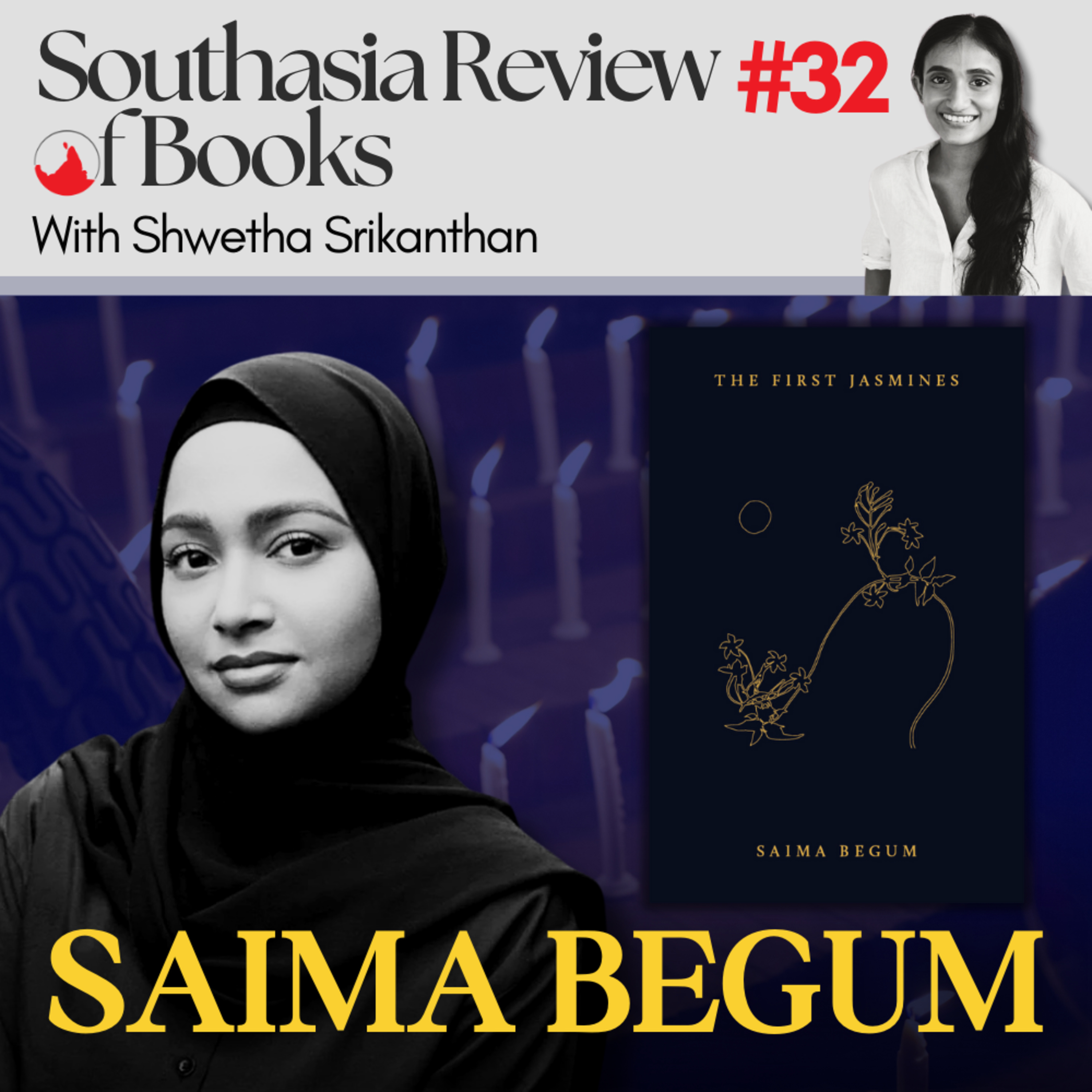
Saima Begum on Bangladesh’s birangona women: Southasia Review of Books podcast #32
A conversation with the British-Bangladeshi writer on her debut novel, The First Jasmines, and the untold stories of women who survived the violence of the 1971 Liberation War: https://www.himalmag.com/podcast/saima-begum-novel-bangladesh-liberation-war-birangonaWelcome to the Southasia Review of Books podcast, where we speak to celebrated authors and emerging literary voices from across Southasia
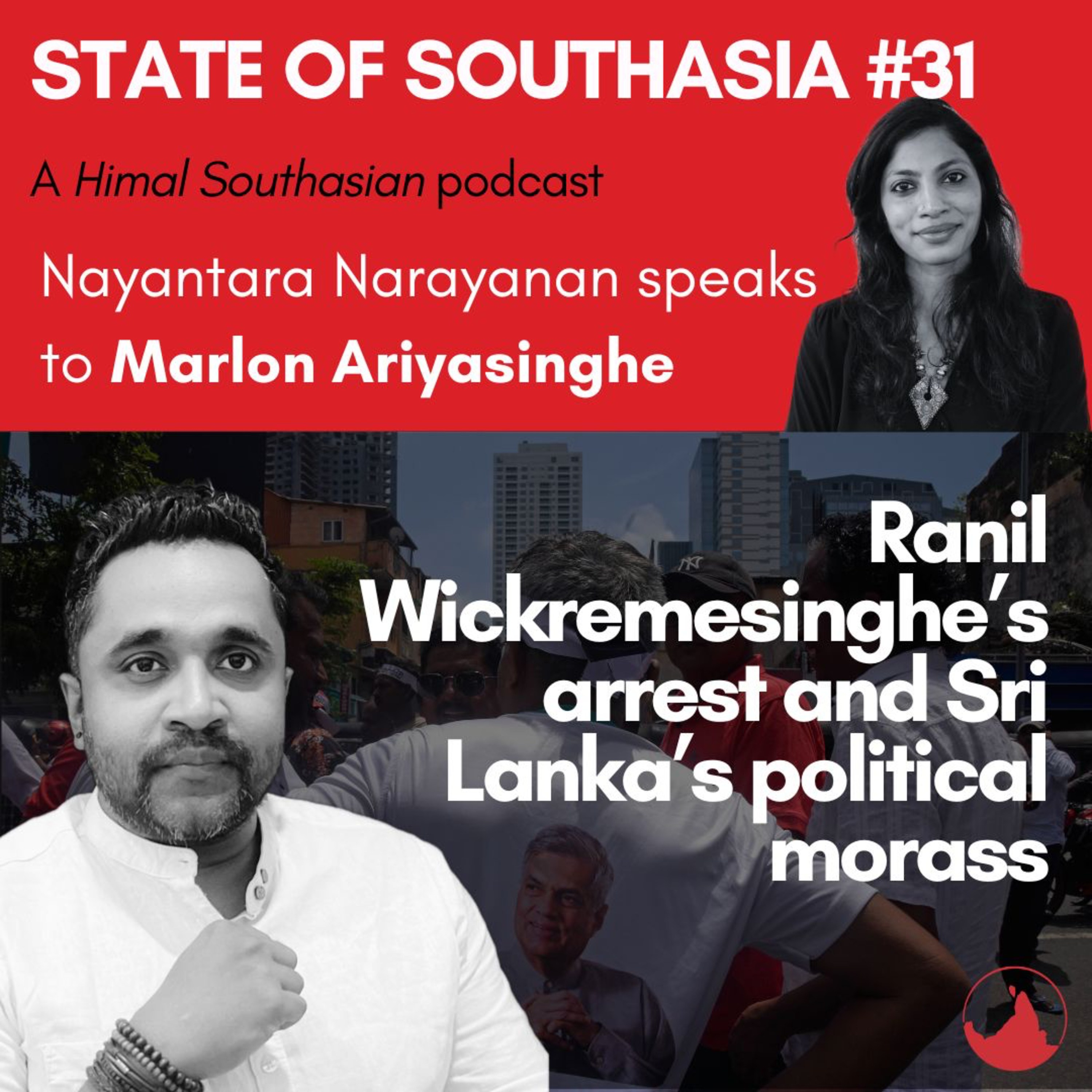
Marlon Ariyasinghe on Ranil Wickremesinghe’s arrest and Sri Lanka’s political morass: State of Southasia #31
On the 22nd of August, Colombo police arrested the former president of Sri Lanka Ranil Wickremesinghe over allegations that he used public funds on a two-day personal visit to the United Kingdom in September 2023. Sri Lanka’s anticorruption units have been cracking down on corruption cases since the president Anura Kumara Dissanayake came to power in September last year on a promise to fight corru

Vishwambhari Parmar on Gujarati pulp fiction: Southasia Review of Books podcast #31
A conversation with Vishwambhari Parmar on curating and translating The Blaft Anthology of Gujarati Pulp Fiction, and uncovering the genre’s darker and more irreverent worlds in Southasian literature. Welcome to the Southasia Review of Books podcast, where we speak to celebrated authors and emerging literary voices from across Southasia. In this episode, Shwetha Srikanthan speaks to Vishwambhari P
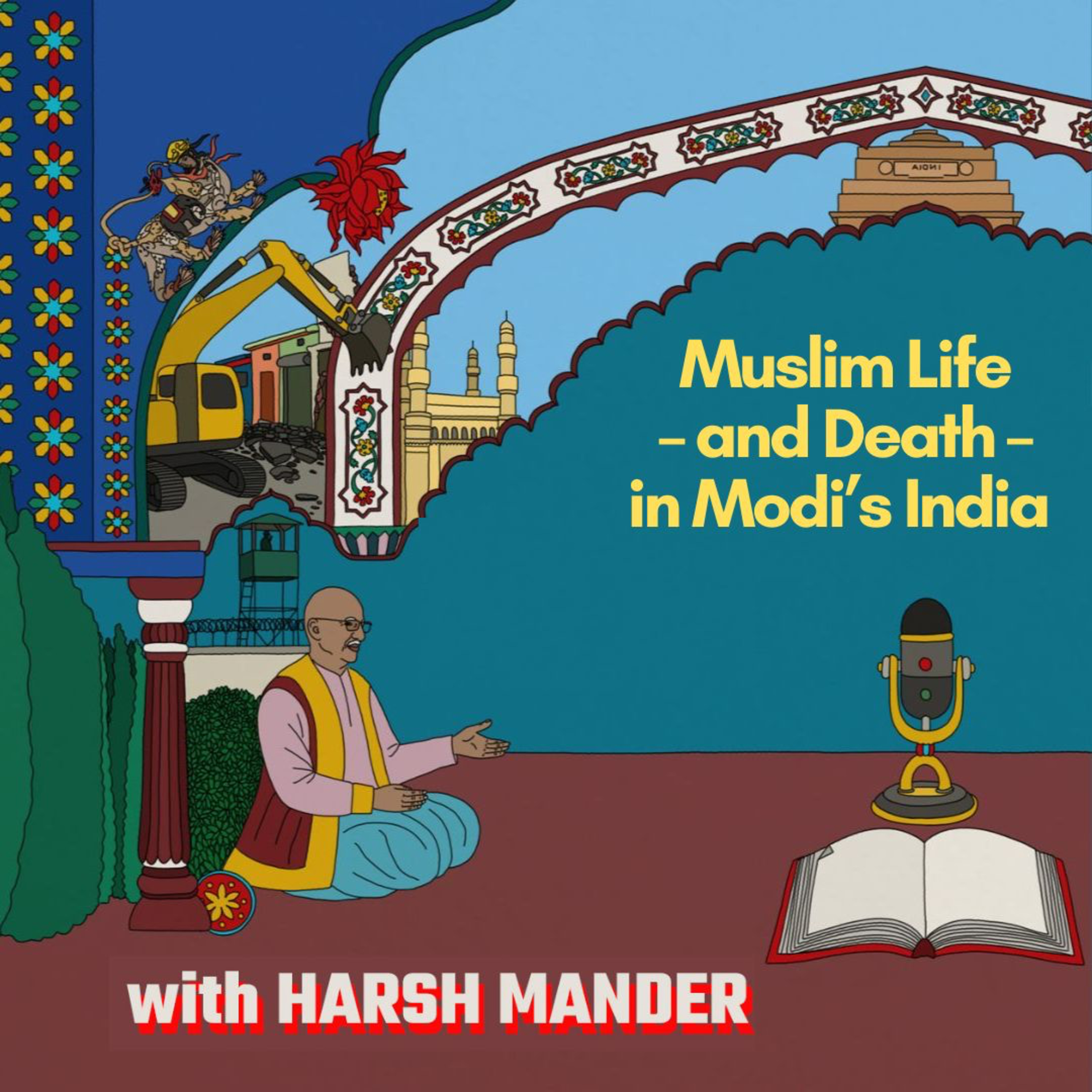
Harsh Mander's big takeaways from "Muslim Life – and Death – in Modi's India"
Harsh Mander wraps up Season 1 of this podcast series with Himal associate editor Nayantara Narayanan. They talk about the significant moments and takeaways from Mander's conversations with eminent and emerging voices on the crisis of Muslims in India: Afreen Fatima, Hilal Ahmed, Amirullah Khan, Seema Chishti, Shahrukh Alam, Aman Wadud, Irfan Habib, Mohsin Alam Bhat, Saeed Mirza, Syeda Hameed,
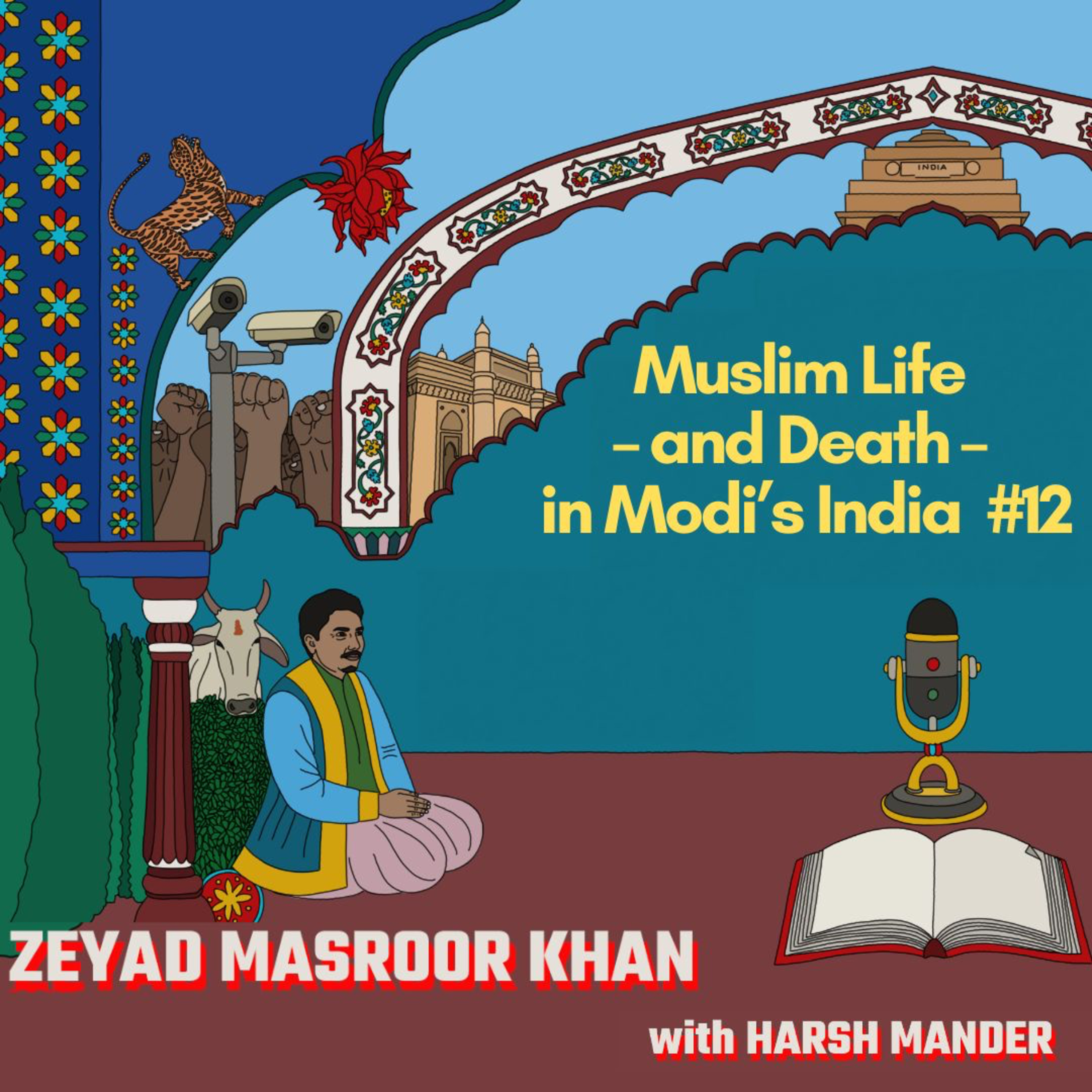
Zeyad Masroor Khan & Harsh Mander on riots, Muslim ghettos, boycotts and expulsions
Zeyad Masroor Khan grew up in a Muslim ghetto in Aligarh, a place he says is still “caught in time” and one he describes as still a slice of “India as it was envisioned by Nehru and Gandhi” with people from different religious communities living close by, running their businesses together and having family connections. But, in this same ghetto, he also witnessed several communal riots as he came o
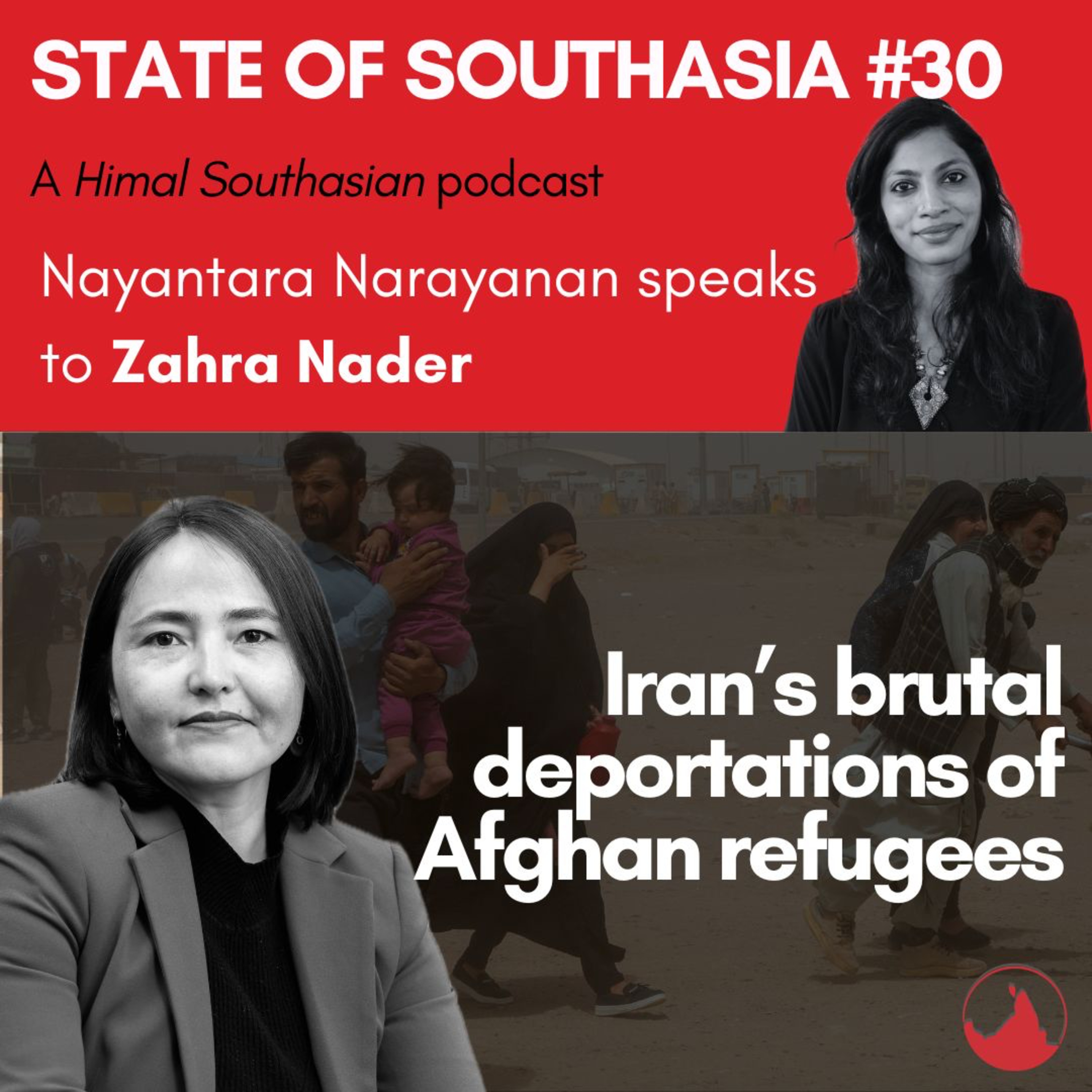
Zahra Nader on Iran’s brutal deportations of Afghan refugees: State of Southasia #30
On 15 August 2025, the Taliban marked four years since retaking control of Afghanistan – a period defined by deepening authoritarianism, economic collapse, and international isolation. As the regime tightens its grip, the country faces yet another compounding crisis: mass deportations of Afghan migrants from neighboring Iran and Pakistan. Since January 2025, more than one million Afghans have been
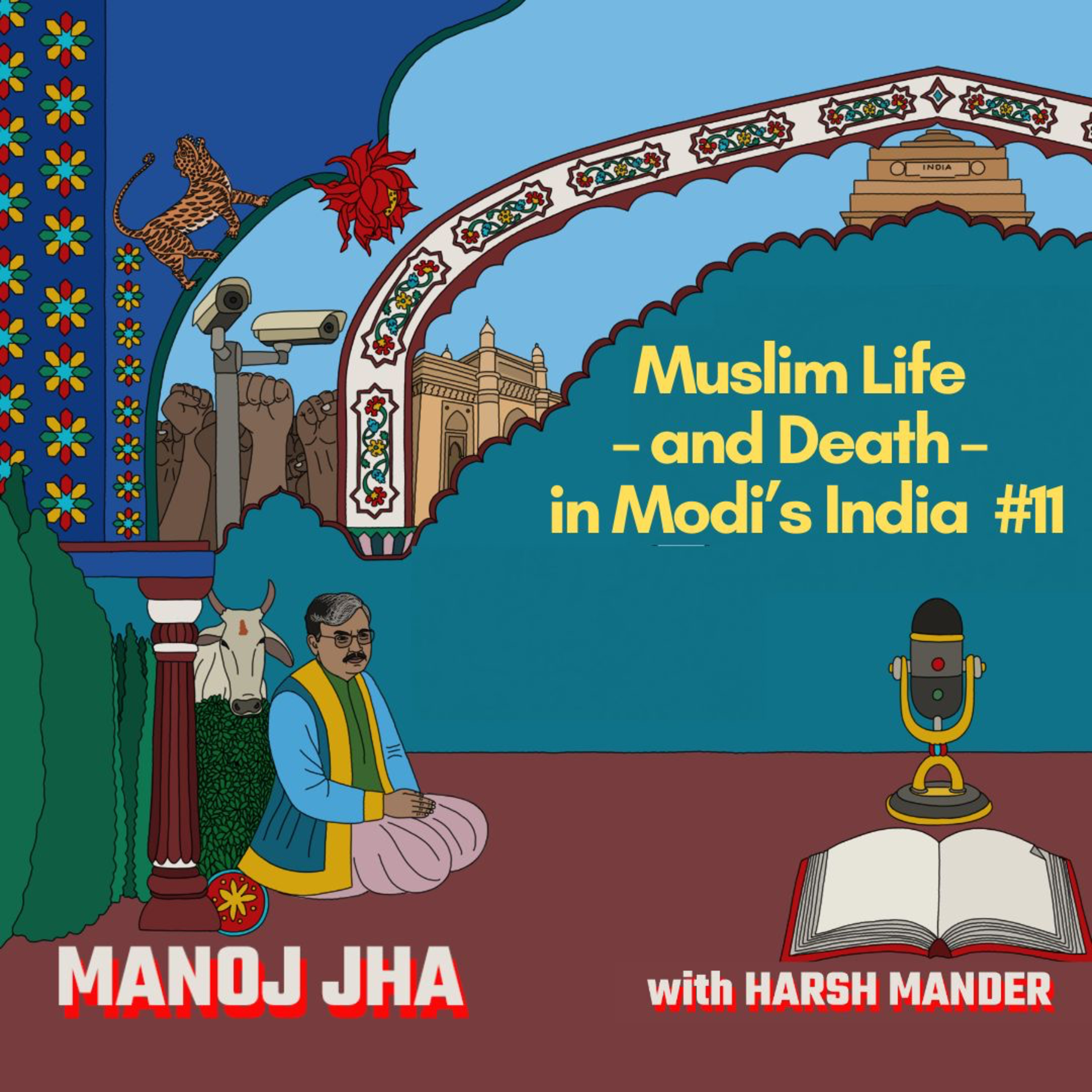
Manoj Jha & Harsh Mander on India’s politics of fear and division
Manoj Jha, a politician and member of India’s upper house – the Rajya Sabha – is the rare politician who has spoken up about the persecution of Muslims in India and their being pushed into being second-class citizens of the country. Jha believes and has written that Muslims are not mere footnotes but co-authors in the story of India. In this conversation with Harsh Mander, Jha says that the the cr
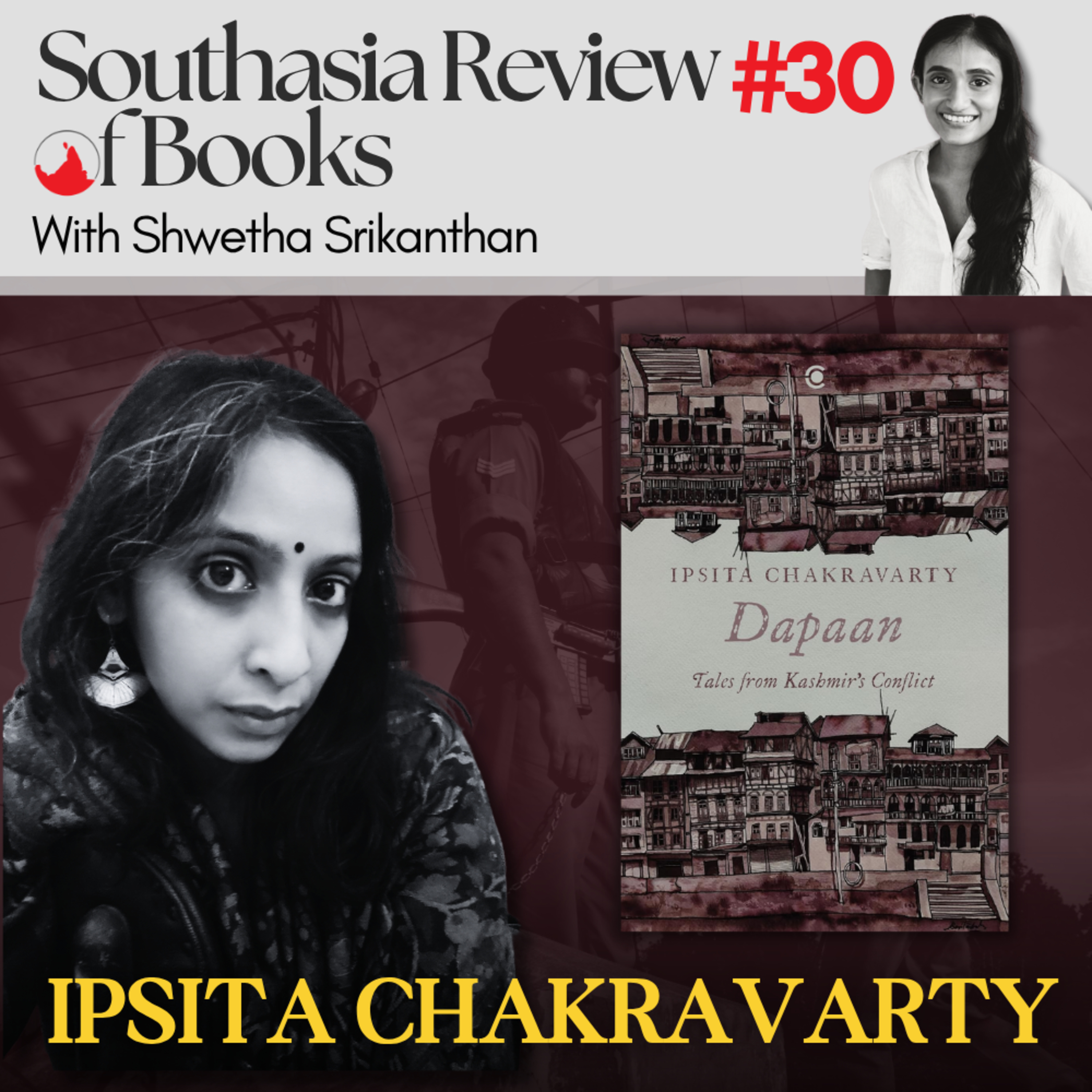
Ipsita Chakravarty on resistance, remembrance and storytelling in Kashmir: Southasia Review of Books podcast #30
A conversation with the journalist Ipsita Chakravarty on what it means for the people of Kashmir to tell their stories – in a place where history is contested, identity is under siege, and memorialisation itself is a political act: https://www.himalmag.com/podcast/ipsita-chakravarty-conflict-storytelling-kashmirWelcome to the Southasia Review of Books podcast, where we speak to celebrated authors
Syeda Hameed & Harsh Mander on Partition, pluralism and poetry
The educationist, writer and women's rights activist Syeda Hameed had a ringside view on much of what was unfolding in the new India in the years after it became independent. This was a country that had become free, but after Partition when a million Hindus and Muslims had been slaughtered by the other. Yet, Hameed remembers the first decade of free India as one of immense hope."My family
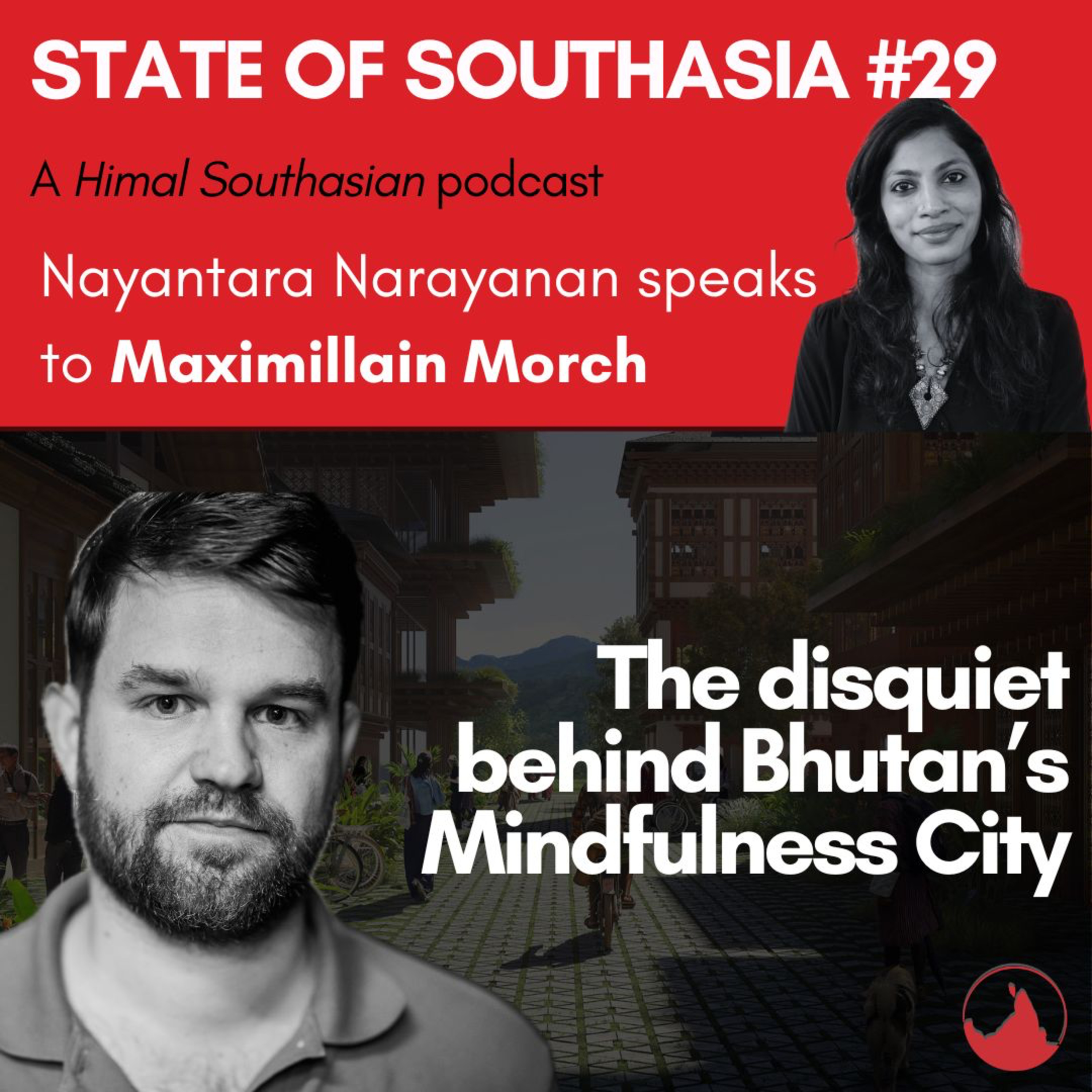
Maximillian Morch on the disquiet behind Bhutan’s Geluphu Mindfulness City: State of Southasia #29
Bhutan’s bold new urban venture, the Geluphu Mindfulness City, is being pitched as a landmark in values-based development. Envisioned as an economic hub rooted in sustainability and Buddhist ideals, the project spans 2,500 square kilometres along the country’s southern border with India. But while official narratives emphasise harmony and prosperity, they overlook a critical historical context: Ge
Saeed Mirza & Harsh Mander on the decades-long erosion of the idea of India
The filmmaker Saeed Akhtar Mirza talks to Harsh Mander about a civilisational slide in india over the past three decades. “The idea of India as in our constitution being slowly eroded in front of our eyes and nothing was done about it,” he says. In this episode Mirza talks about how the Hindu right is rewriting history and scripting one-sided narratives through cinema, about the takeover over film
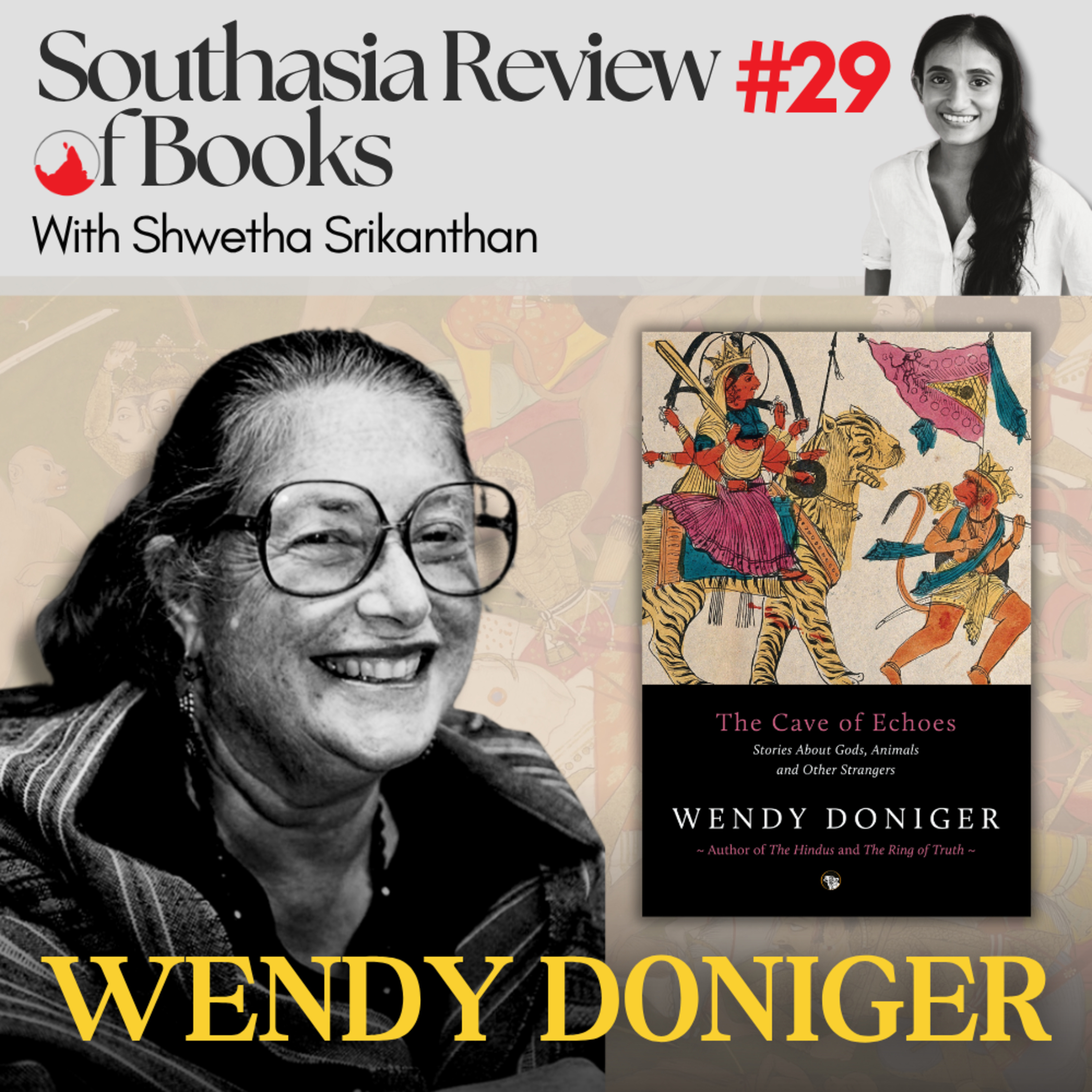
Wendy Doniger on importance of understanding other peoples’ myths: Southasia Review of Books podcast #29
A conversation with the Indologist Wendy Doniger on her wide-ranging study ‘The Cave of Echoes’, and the importance of understanding other peoples’ myths and rituals: https://www.himalmag.com/podcast/wendy-doniger-history-myths-hinduism-indiaWelcome to the Southasia Review of Books podcast, where we speak to celebrated authors and emerging literary voices from across Southasia. In this episode, Sh
Mohsin Alam Bhat & Harsh Mander on the threat to Muslims as a crisis for India’s democracy
In this conversation with Harsh Mander, the legal academic Mohsin Alam says that the crisis of Indian Muslims, which is about safety, integration, and citizenship, is tied to the crisis of Indian democracy. How the Indian state and society treats with its weaker populations, including religious minorities, will determine whether India remains a democracy or not.Alam points to evidence that anti-de
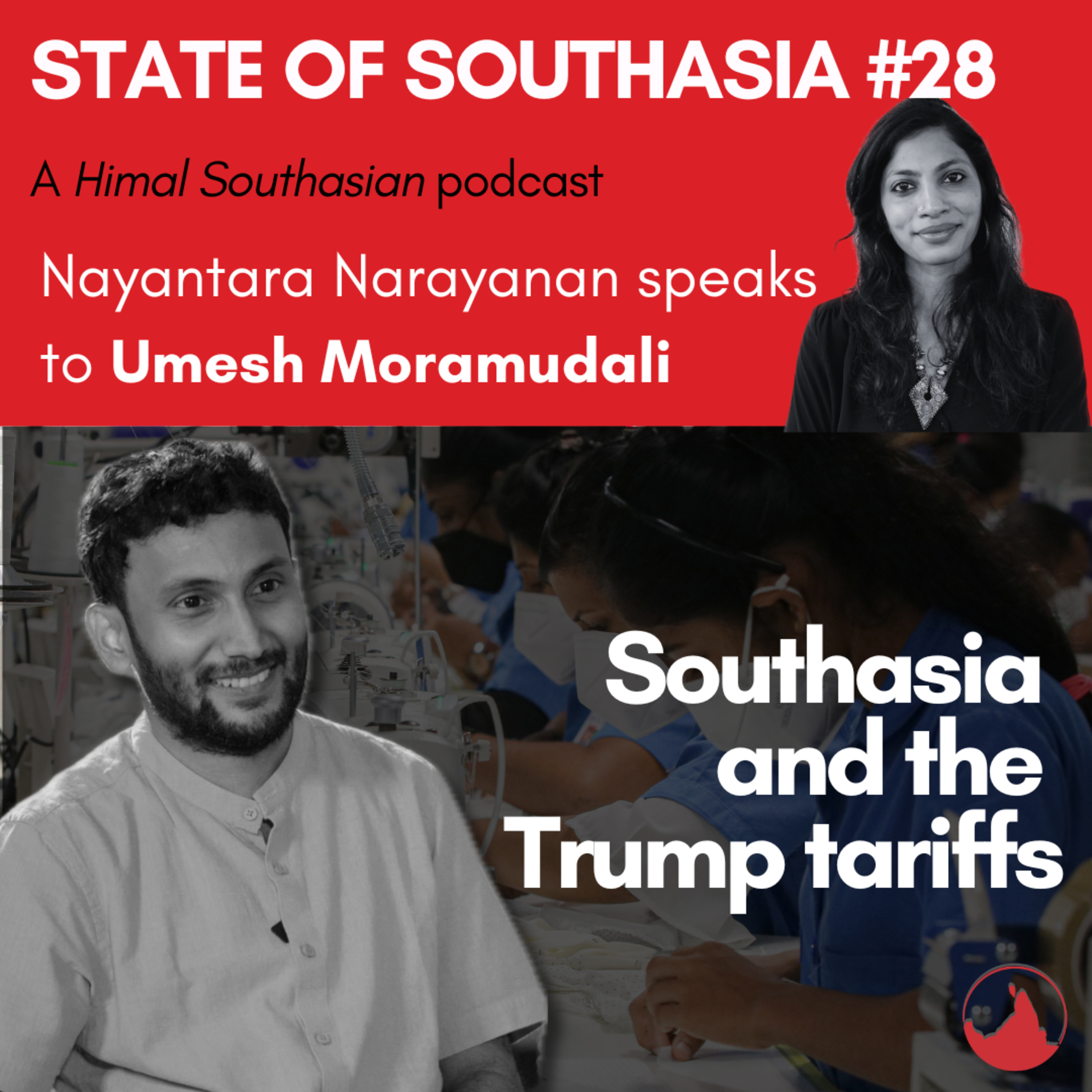
Umesh Moramudali on Southasia and the Trump tariffs: State of Southasia #28
On 2 April, the US president Donal Trump announced a set of import tariffs on almost all countries. He claimed the measure was to eliminate trade imbalances and called them recirpocal. The Trump administration then applied individual tariffs rates depending on which countries had the largest trade deficits with the US. The US first set a 3-month deadline for countries to make trade agreements with
Irfan Habib & Harsh Mander on the decay of socialism and secularism in India and more
Irfan Habib, who is regarded as one of India's best historians, tells Harsh Mander that encouraged by the Narendra Modi and BJP leadership, The Hindu right is attempting not just to rewrite India's history to erase Muslim presence and contribution but to manufacture it entirely. Now 94, Habib looks back to when India got independence – when he was a young man – and at the inclusiveness and spirit
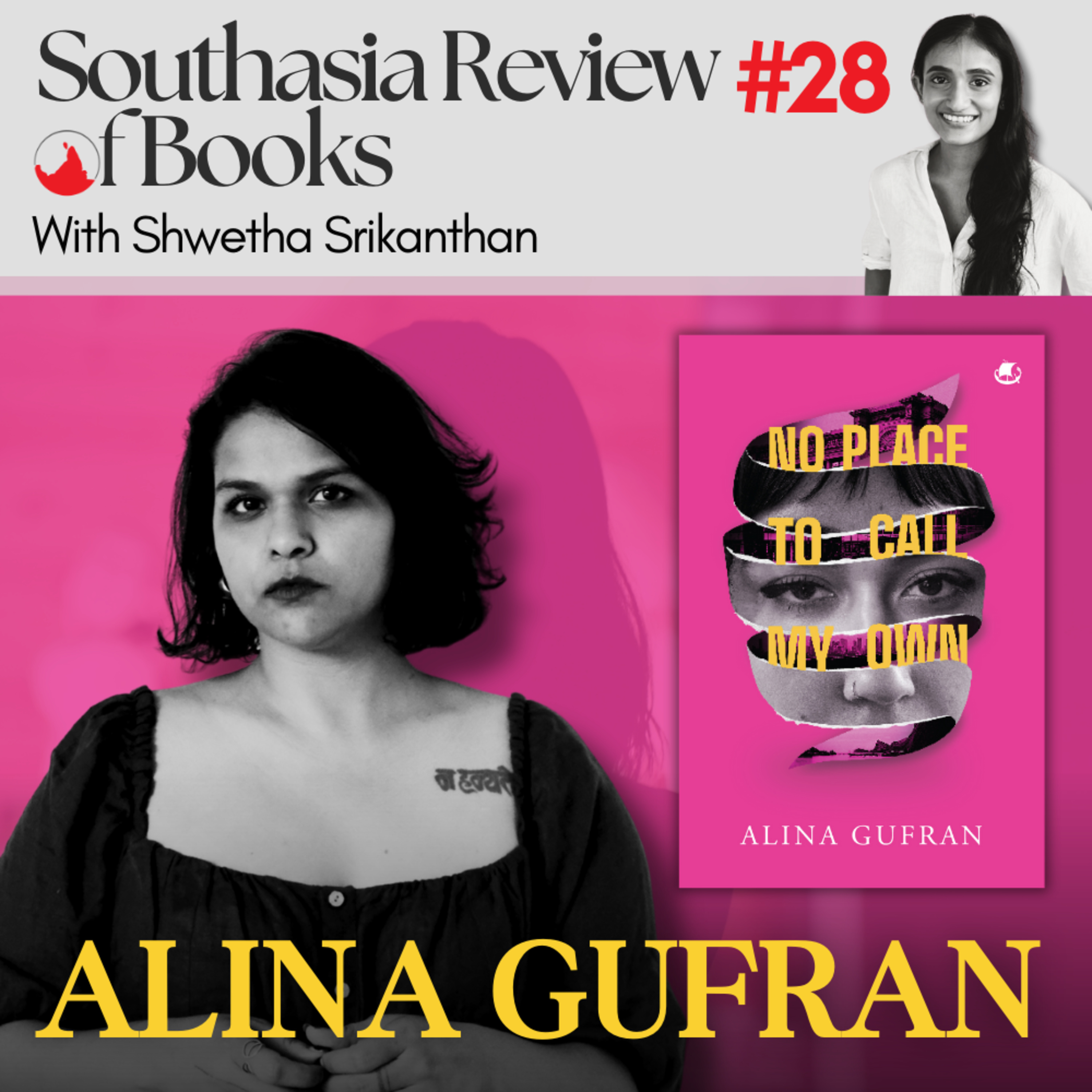
Alina Gufran on millennial precarity and unbelonging in urban India: Southasia Review of Books podcast #28
No Place to Call My Own’ seethes with a quiet anger of our times, where a young woman struggles with her own sense of self and belonging, and the restless anxieties of adulthood in Urban India. Welcome to the Southasia Review of Books Podcast, where we speak to celebrated authors and emerging literary voices from across Southasia. In this episode, Shwetha Srikanthan speaks to the writer and filmma
Aman Wadud & Harsh Mander on the plight of Bengali Muslims in Assam
Aman Wadud, a lawyer and politician, tells Harsh Mander that Bengali Muslims Assam are among the most persecuted in the country. Having been accused or taunted of being "outsiders" or "Bangladeshis" for decades, they have in recent years faced the terror of state policies questioning their citizenship, especially the National Register of Citizens and the Citizenship Amendment A
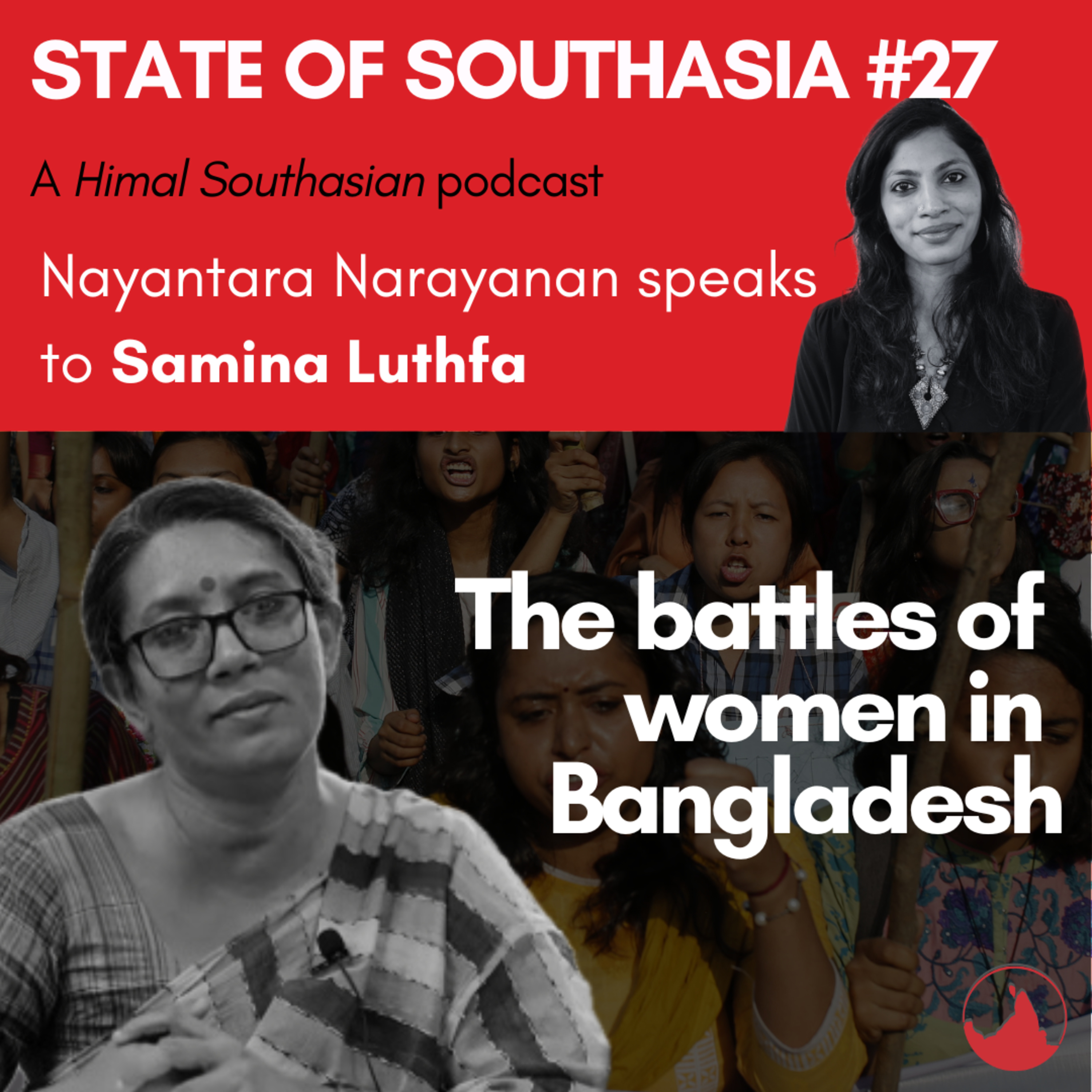
Samina Luthfa on the battles of women in a new Bangladesh: State of Southasia #27
In October 2024, two months after the monsoon revolution in Bangladesh toppled Sheikh Hasina as prime minister and Awami League government, four gender experts wrote a column in the Bangladesh newspaper Prathom Alo about the women leaders of the movement. They said that these women had been invisibilised in the initiatives and discussions around rebuilding Bangladesh. In the months since Hasina's
Shahrukh Alam & Harsh Mander on how India’s laws are being weaponised against Muslims
Shahrukh Alam, a lawyer practicing in India's Supreme Court, dissects how the country's law and order machinery has been turned against its Muslim citizens in recent years. Alam talks about the criminalising of protest by Muslims and anti-constitutional arguments being made in the courts, how cultural narratives have shifted to allow these things to happen. You can find watch this episode
Vauhini Vara on big tech and our digital selves: Southasia Review of Books podcast #27
A conversation with the tech journalist and writer Vauhini Vara on the ways in which language can be used to serve our purposes, independent from, and in opposition to, the goals of powerful big tech companies. Welcome to the Southasia Review of Books Podcast, where we speak to celebrated authors and emerging literary voices from across Southasia. In this episode, Shwetha Srikanthan speaks to the
Seema Chishti & Harsh Mander on media-fuelled Islamophobia and the “love jihad” fallacy
Journalist Seema Chishti was covering events in Ayodhya when a right-wing Hindutva mob demolished the Babri Masjid, a 16th century mosque, in December 1992. In this episode, Chishti recounts the events of that day, the media's role in bearing witness to it and how the media in India has changed since then.From the pockets of resistance in the media during the Emergency in 1975, to its commerci
Christophe Jaffrelot on the Emergency and India 50 years later
On 25 June this year, India marks 50 years since former prime minister Indira Gandhi imposed Emergency in India. This was the third time that the emergency had been declared in India, but unlike the first two times which were in case of external threats due to wars with India’s neighbours, the 1975 Emergency was due to internal threats and resulted in the suspension of many constitutional rights a
Amirullah Khan & Harsh Mander on the deprivation of India’s Muslims
Development economist Amirullah Khan explains the social indicators that show the stark deprivation of the majority of India’s Muslims, especially in education and employment. He explains the different points in India’s history at which changes occurred. For example, he says, after the 1990s, jobs where being created mostly in India’s service and financial sectors that required higher education.
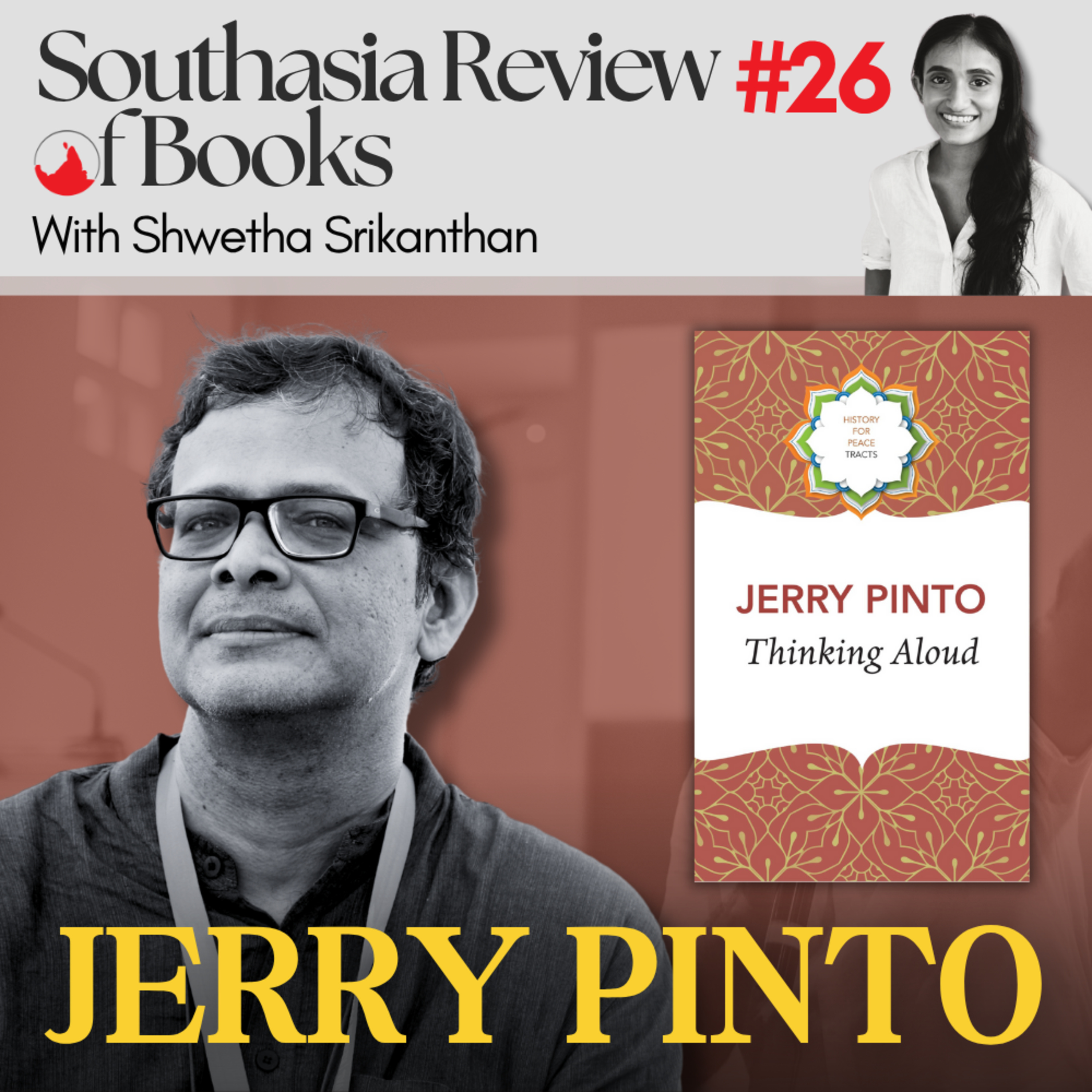
Jerry Pinto on inclusive storytelling: Southasia Review of Books podcast #26
A conversation with the renowned writer and poet Jerry Pinto on Bollywood and the nation-state, the art of translation, and lessons of a life in literature and teaching: https://www.himalmag.com/podcast/jerry-pinto-history-bollywood-translationWelcome to the Southasia Review of Books Podcast, where we speak to celebrated authors and emerging literary voices from across Southasia. In this episode,
Hilal Ahmed & Harsh Mander: Indian Muslims' marginalisation and the myth of appeasement
In this episode, the academic and writer Hilal Ahmed speaks to Harsh Mander about his positionality as a practising Muslim and as a scholar looking at Muslim lives and the Muslim experience. Ahmed recalls growing up in the 1990s when the idealism of a secular India had all but faded in the wake of the demolition of the Babri Masjid in Ayodhya. He remembers that when I was in the school in 80s and
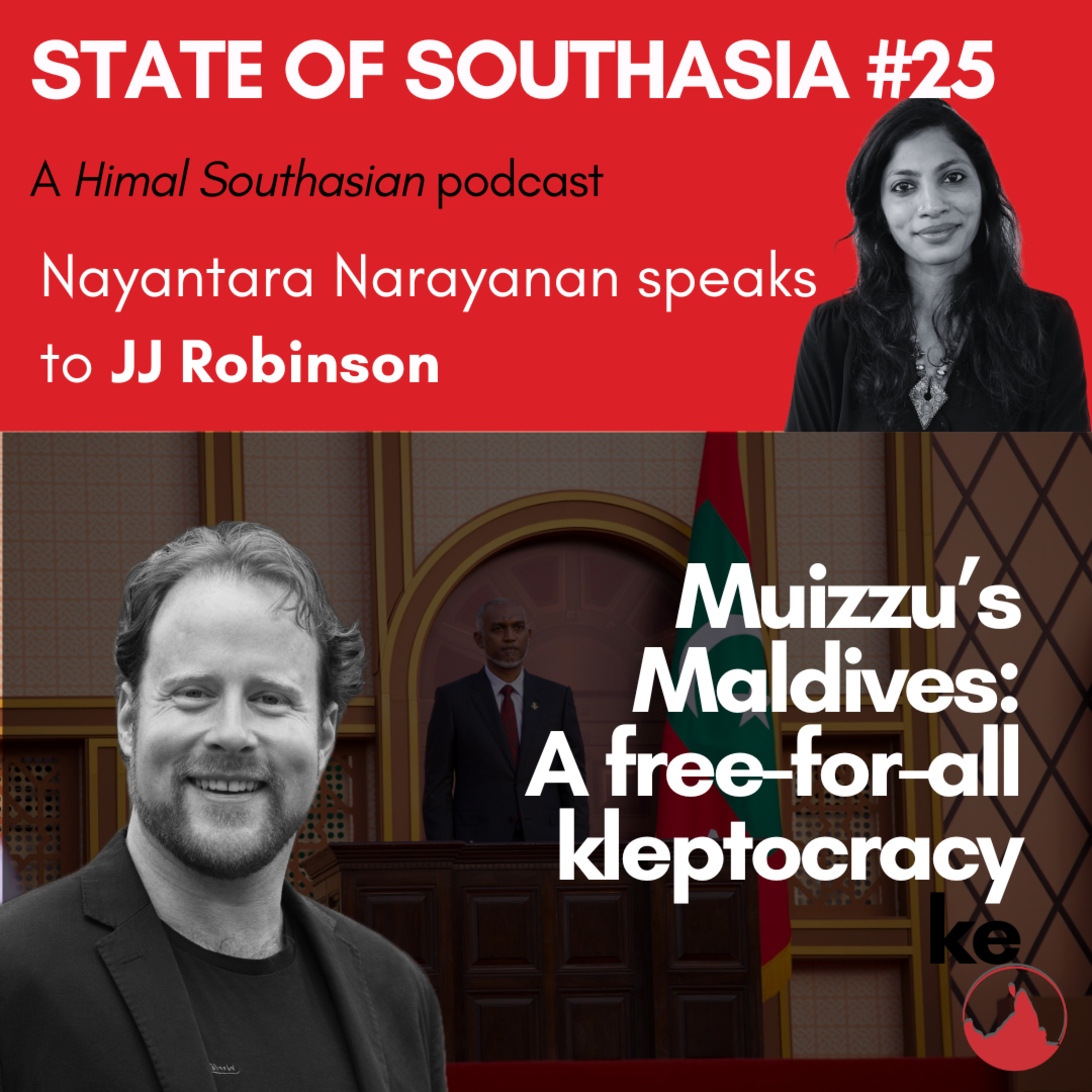
JJ Robinson on how Mohamed Muizzu’s Maldives is “a free-for-all kleptocracy”
In mid-April, young people took to the streets of Male, the capital of the Maldives to protest the country’s culture of political impunity and nepotism. The trigger for these protests was a case in which a young woman was discovered unmoving on the tin roof of a warehouse in Malé, having fallen from a nine-storey apartment building next door where there had been a party. That building was co-owned
Afreen Fatima & Harsh Mander: Bulldozers, the hijab and Muslim rage in Modi’s India
In this episode, the researcher and activist Afreen Fatima speaks to Harsh Mander about what it means to be Muslim in India today. Afreen experienced first-hand punitive demolitions by the state. In June 2022, authorities in Prayagraj, formerly called Allahabad, bulldozed her house, on the pretext that her father had orchestrated protests against anti-Islamic comments made by members of the India’
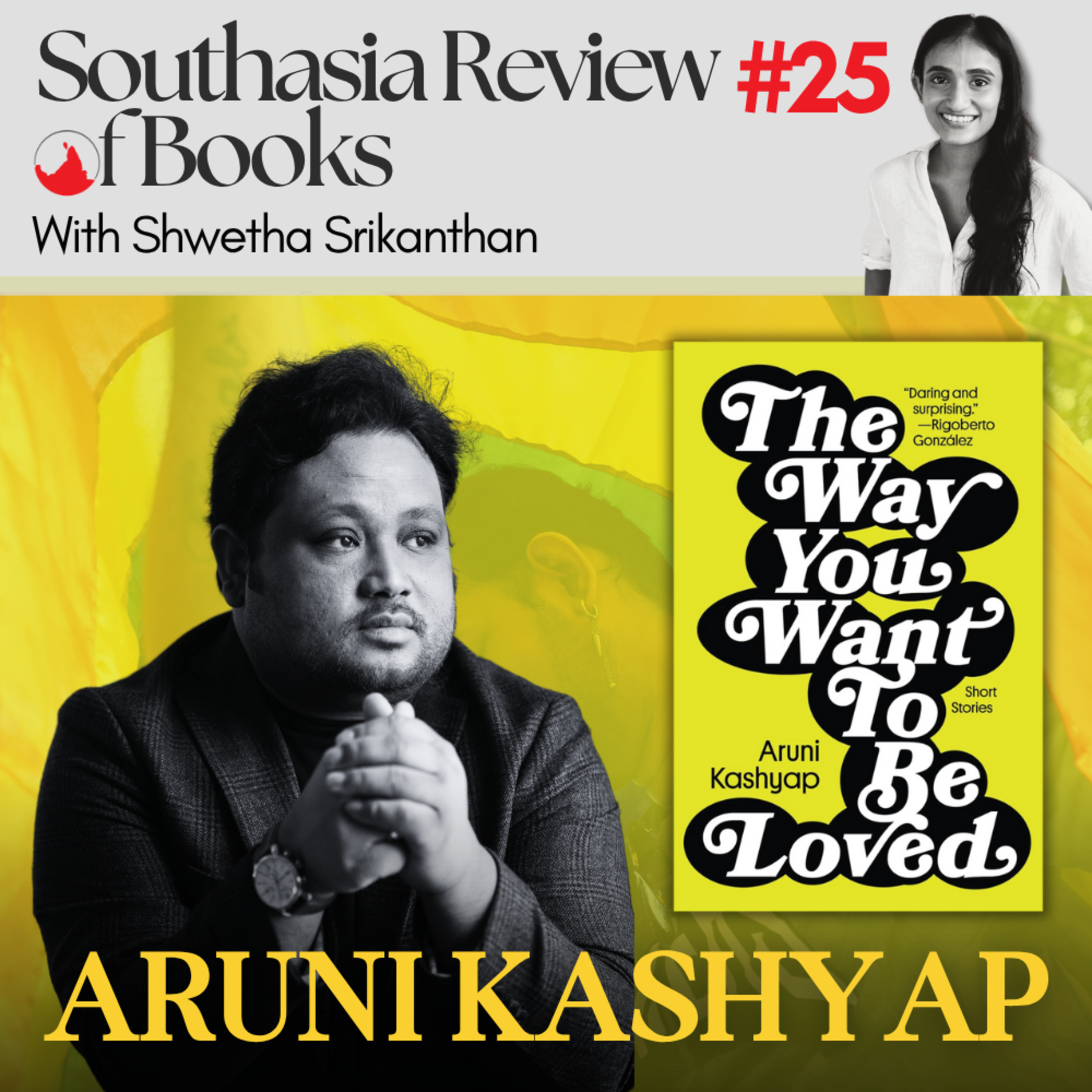
Aruni Kashyap on stories of queer and displaced lives from Assam: Southasia Review of Books podcast #25
A conversation with the Assamese writer Aruni Kashyap on crafting stories on love, resistance and belonging set against the long shadow of violence in India’s Northeast.Welcome to the Southasia Review of Books Podcast, where we speak to celebrated authors and emerging literary voices from across Southasia. In this episode, Shwetha Srikanthan speaks to the Assamese writer, translator and poet, Arun
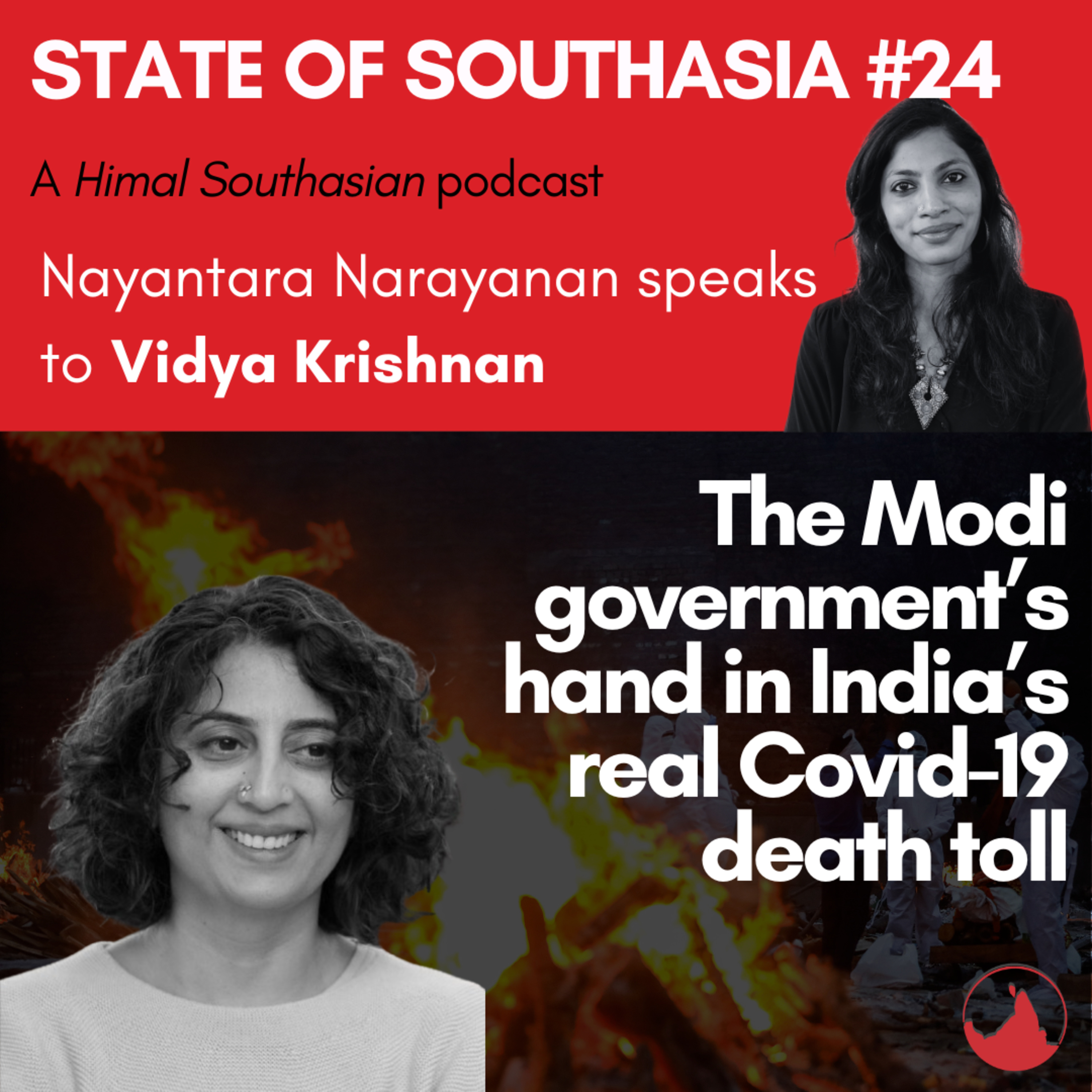
Vidya Krishnan on how India's politics magnified its Covid-19 death toll: State of Southasia #24
In early May, when the world’s attention was on the escalating conflict between India and Pakistan and the threat of war, India’s government released data that showed it in poor light. The new data from the civil registration system – the country's official record of births and deaths – showed that there had been about 3.7 million excess deaths during the pandemic years of 2020 and 2021. This

Thomas Bell on a walking history of the Himalayan landscape: Southasia Review of Books podcast #24
A conversation with the journalist Thomas Bell on his latest book, ‘Human Nature’ , and the social, cultural and natural history of people’s lives in the Himalayan environment . Welcome to the Southasia Review of Books Podcast, where we speak to celebrated authors and emerging literary voices from across Southasia. In this episode, Shwetha Srikanthan speaks to the journalist Thomas Bell about his
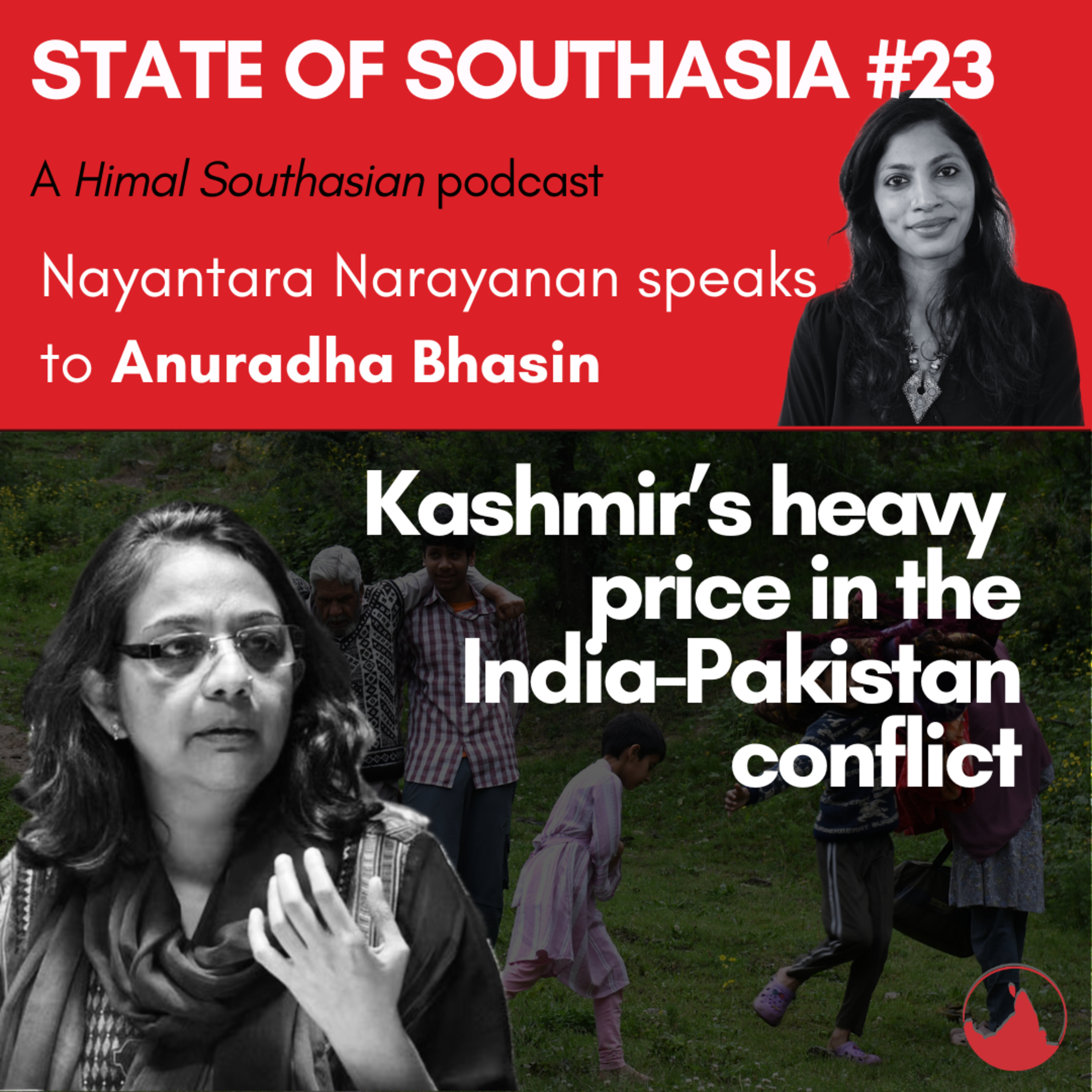
Anuradha Bhasin on Kashmir’s repeated calamities through the India-Pakistan conflict: State of Southasia #21
Since 22 April, when militants carried out a deadly attack in Pahalgam district killing 26 civilians – most of them Hindu tourists – Kashmir has faced one of its worst crises in recent years. The attack triggered a dangerous escalation in hostilities between India and Pakistan with cross-border missile strikes and shelling and a looming threat of war between the two countries. A ceasefire was anno
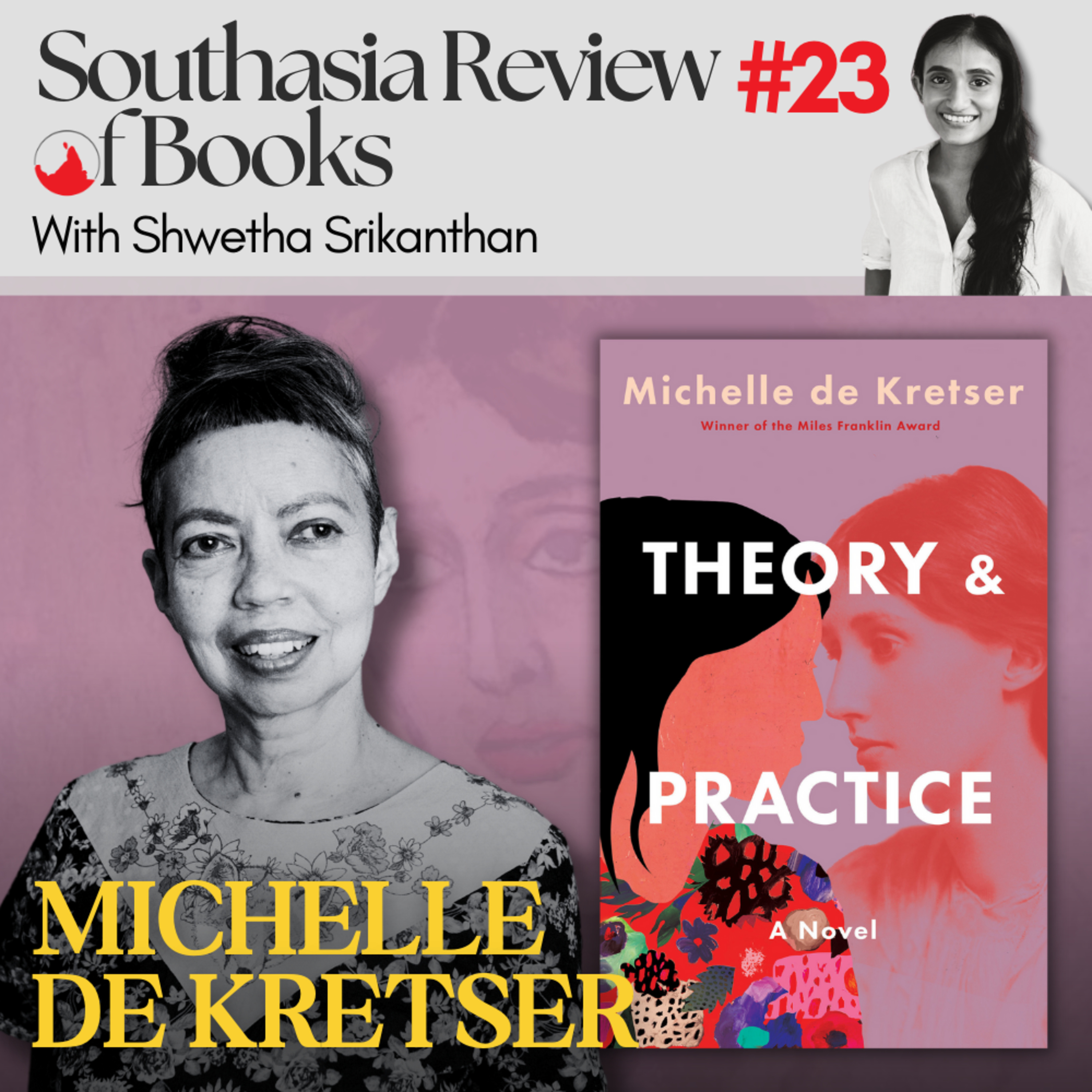
Michelle de Kretser on her new novel, ‘Theory & Practice’: Southasia Review of Books podcast #23
A conversation with the Sri Lankan-born Australian author on unsettling the realist novel form and exploring the messy gaps between ideals and actions: https://www.himalmag.com/podcast/michelle-de-kretser-novel-theory-and-practiceWelcome to the Southasia Review of Books Podcast, where we speak to celebrated authors and emerging literary voices from across Southasia. In this episode, Shwetha Srikan

Alpa Shah on the Bhima Koregaon case and India’s democratic decline: State of Southasia #22
The Bhima Koragaon case has come to be seen as emblematic of the gravest problems with India's democracy. Between June 2018 and October 2020, 16 people were arrested in the Bhima Koregaon case, accused of inciting violence in a riot and of being part of a conspiracy to assassinate India’s prime minister Narendra Modi. The arrests occurred despite the lack of credible evidence. The 16 individua
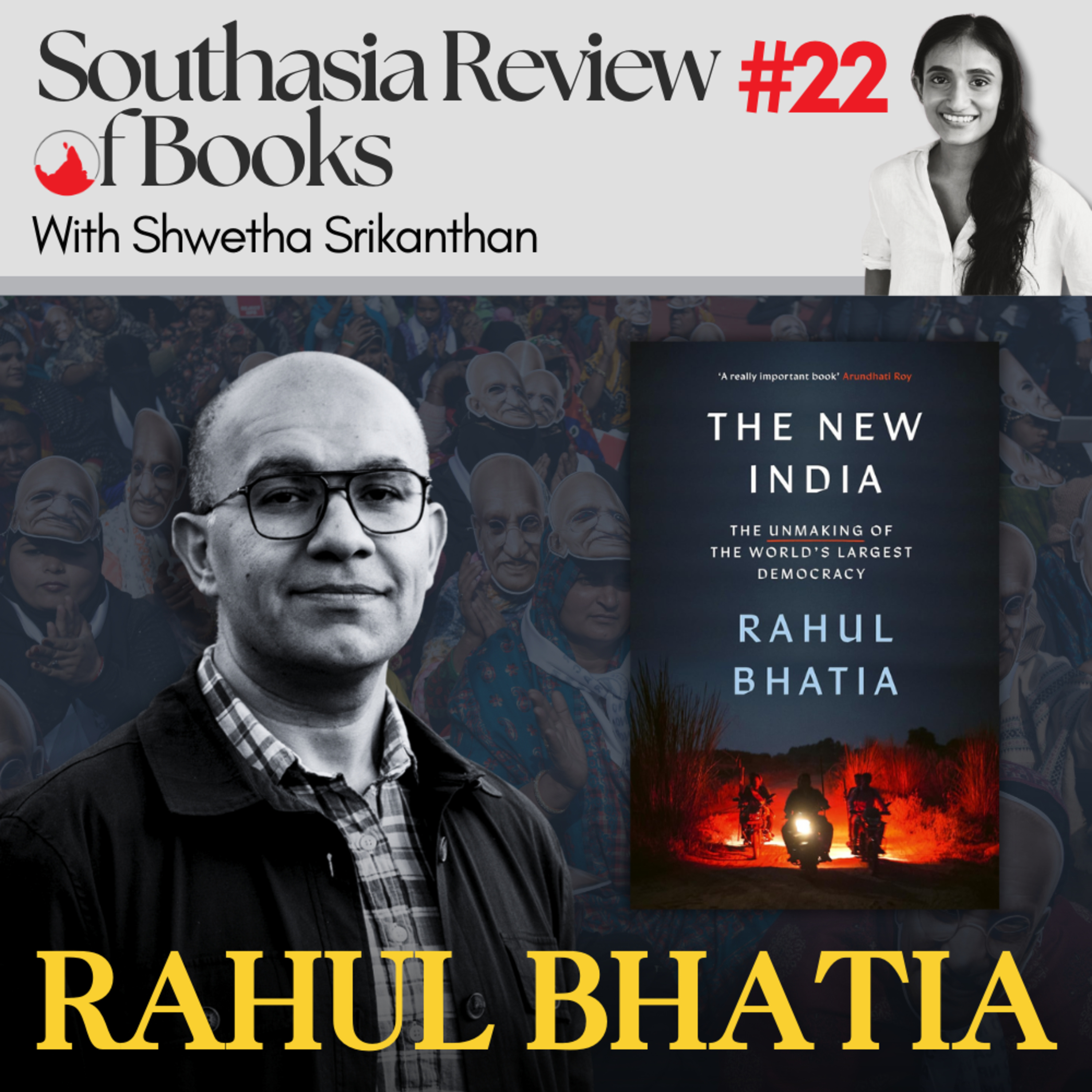
Rahul Bhatia on India’s turn towards authoritarianism: Southasia Review of Books podcast #22
A conversation with the Mumbai-based journalist on the roots of Hindutva, the proliferation of Aadhaar and the surprising origins of India’s identification project. Welcome to the Southasia Review of Books Podcast from Himal Southasian, where we speak to celebrated authors and emerging literary voices from across Southasia. In this episode, Shwetha Srikanthan speaks to the Mumbai-based journalist

Pranaya Rana on Nepal’s royalist resurgence: State of Southasia #21
In early March this year, a massive gathering of some 10,000 royalist supporters gathered to greet Nepal's former king, Gyanendra Bir Bikram Shah, as he returned to the capital Kathmandu from the city of Pokhara. The rally had political observers in Kathmandu wonder about the possibility of a return to monarchy in Nepal.On Friday, 28 March, a similar pro-royalist rally in Kathmandu turned violent.
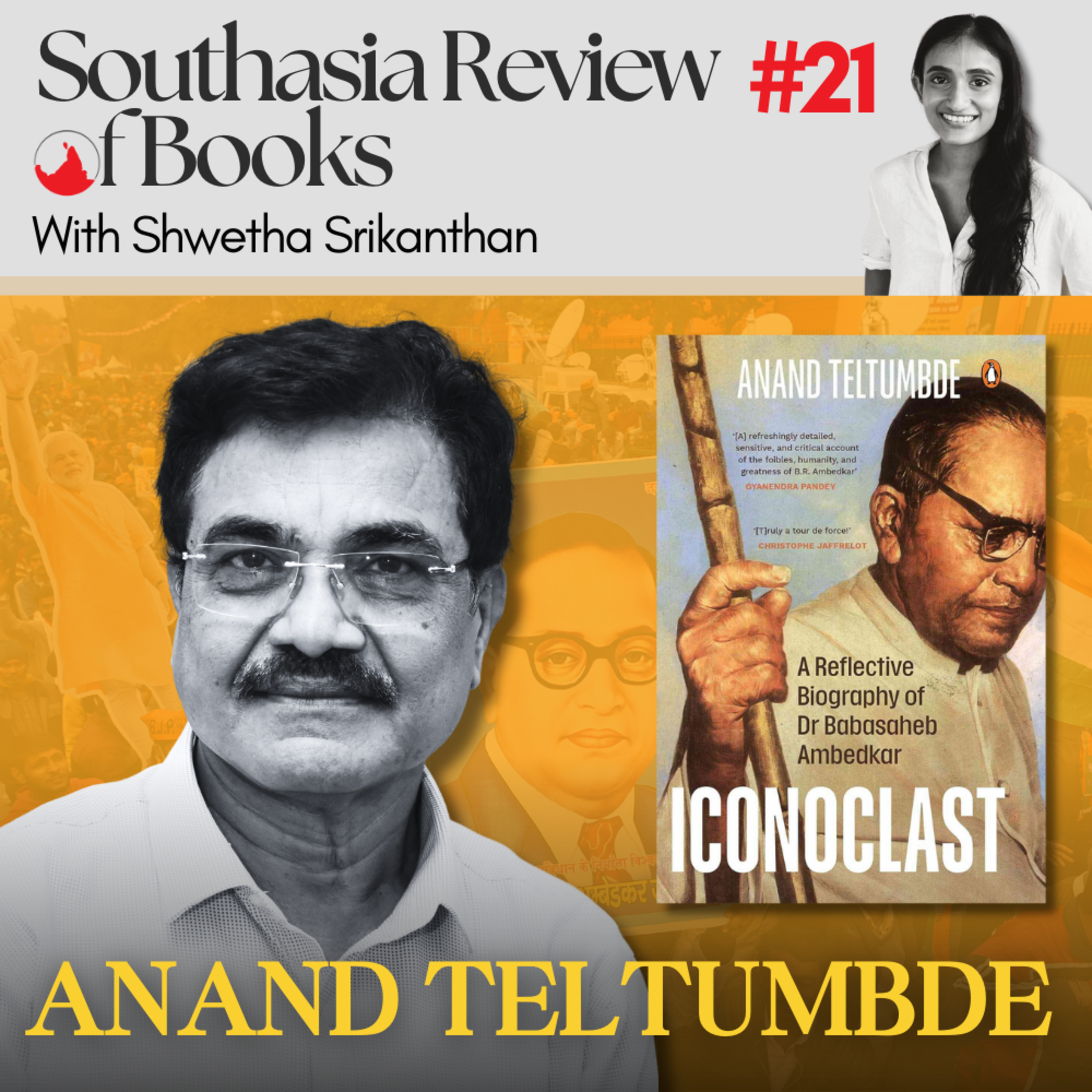
Anand Teltumbde on the contested legacy of B R Ambedkar: Southasia Review of Books podcast #21
In a sharp critique of iconisation, Teltumbde pushes back against the hagiography surrounding B R Ambedkar, calling for a nuanced reassessment of his contested legacy in view of the ongoing oppression of Dalits in India today. Welcome to the Southasia Review of Books Podcast from Himal Southasian, where we speak to celebrated authors and emerging literary voices from across Southasia. In this epis
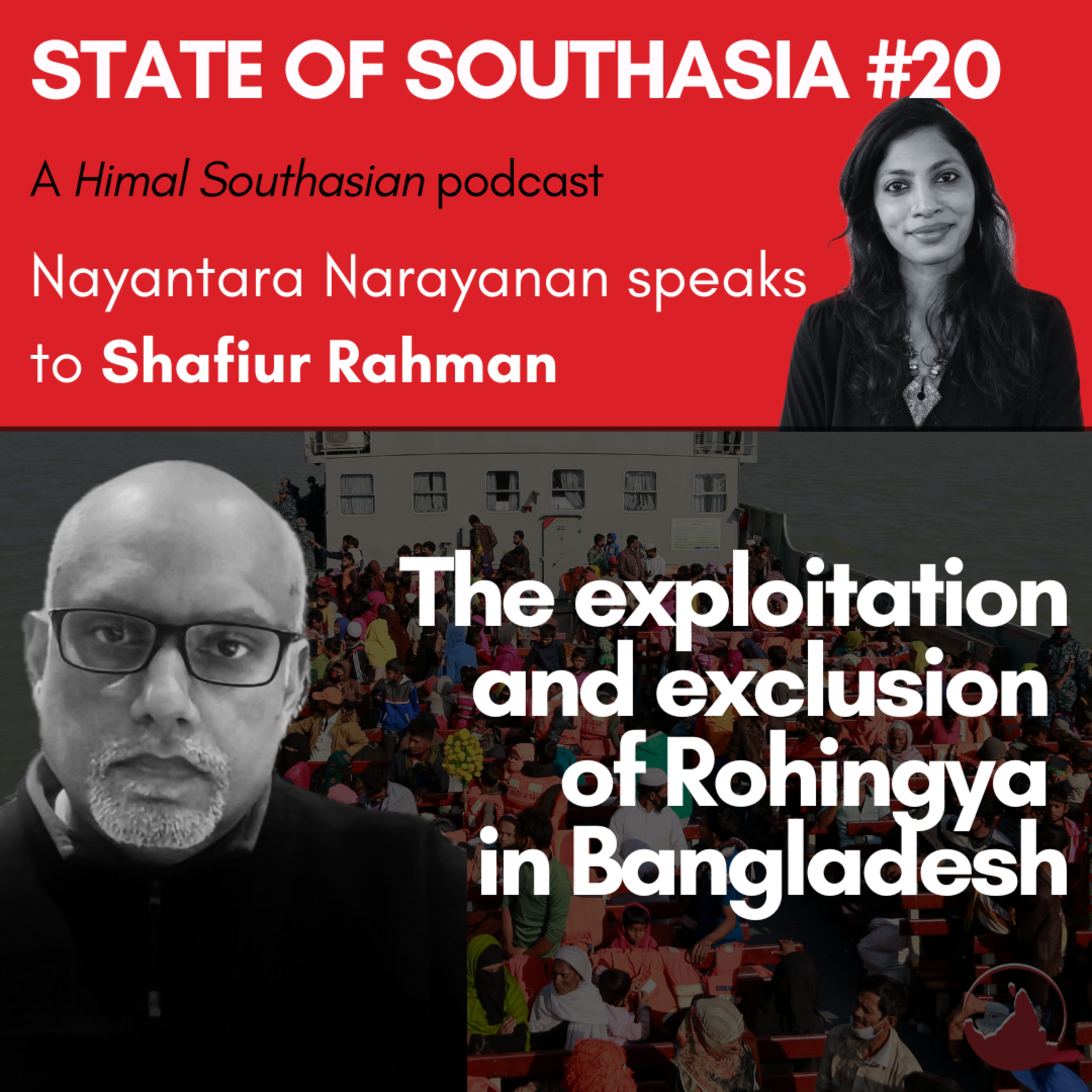
Shafiur Rahman on the Rohingya’s endless troubles in Bangladesh: State of Southasia #20
The Rohingya are facing a new crisis. Cuts to foreign aid by the United States government under Donald Trump have caused huge upsets in the humanitarian sector worldwide and refugees are among the hardest hit. The cuts have caused a freeze on funds in healthcare facilities within Rohingya camps in Bangladesh leading to a reduction in doctors and healthcare staff available to the residents. The Wor

The Sri Lankan-Pākehā writer Saraid de Silva on her Women’s Prize longlisted novel ‘Amma’: Southasia Review of Books podcast #20
A conversation with the Sri Lankan-Pākehā writer on exploring anger, trauma, queerness and displacement in a multigenerational saga of three women from the Southasian diaspora. Welcome to the Southasia Review of Books Podcast from Himal Southasian, where we speak to celebrated authors and emerging literary voices from across Southasia. In this episode, Shwetha Srikanthan speaks to the Auckland-bas
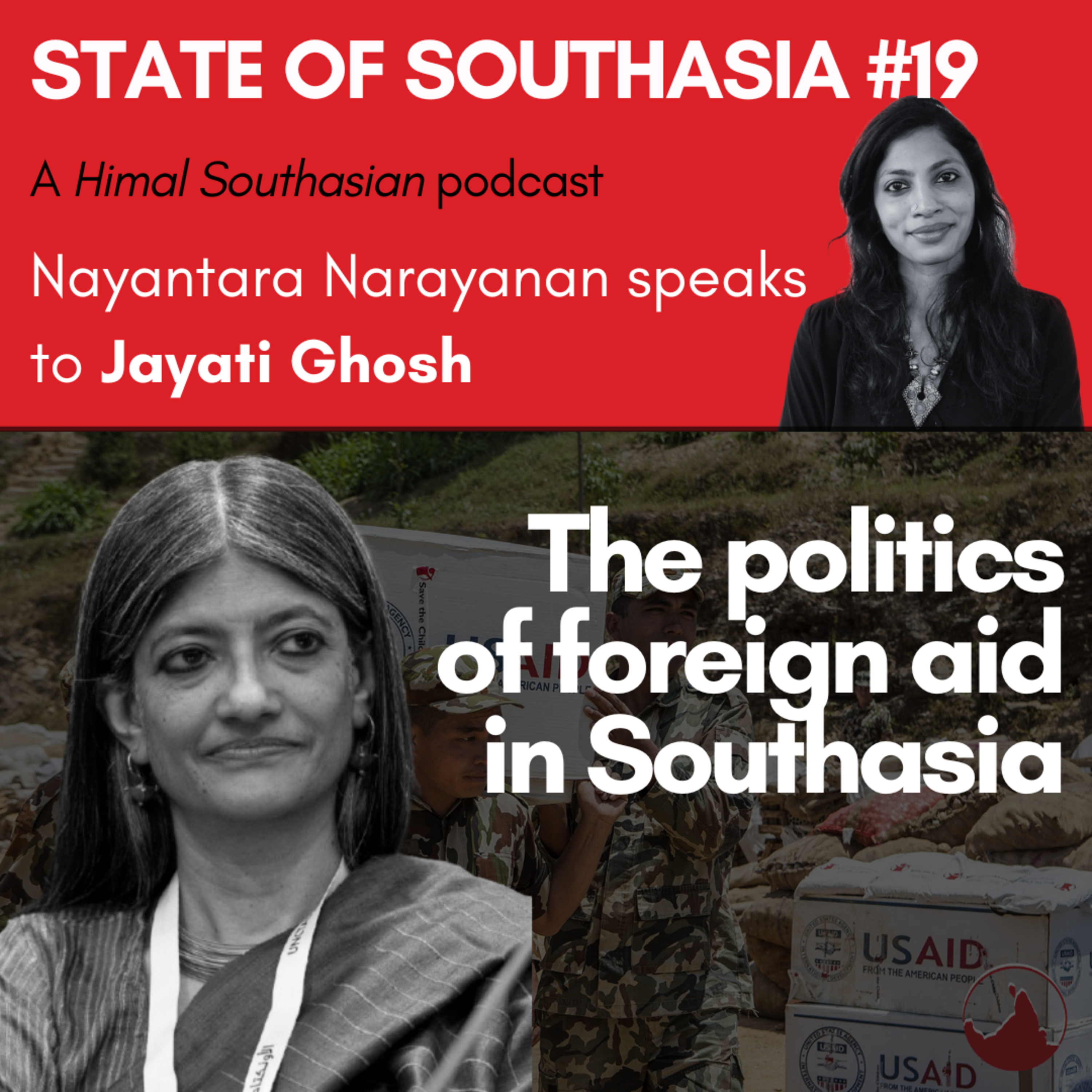
Jayati Ghosh on USAID the politics of foreign aid: State of Southasia #19
In January this year, soon after taking over as president of the United States for the second time, Donald Trump announced a suspension of all prgrammes of the United States Agency for International Development (USAID), pending review. Six weeks later, the United States government announced that it was shutting down 83 percent of those programmes, which it perceived as antithetical to the interest
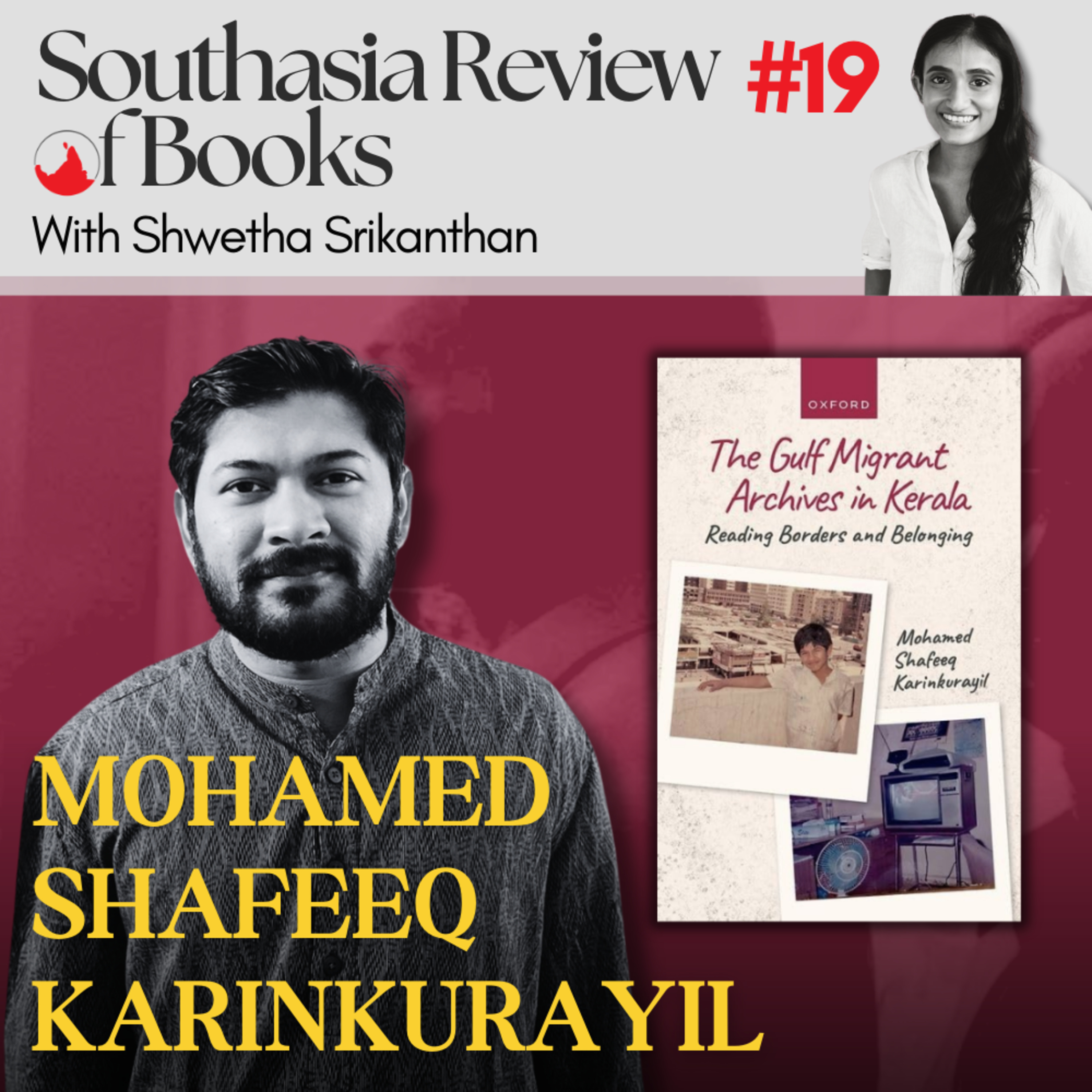
Mohamed Shafeeq Karinkurayil on the cultural archives of Gulf migration in Kerala: Southasia Review of Books podcast #19
A conversation with Mohamed Shafeeq Karinkurayil on documenting the cultural imaginaries of Kerala and the Gulf through migrants’ literary and visual records of their transnational lives and aspirations. https://www.himalmag.com/podcast/ mohamed-shafeeq-karinkurayil-kerala-gulf-migrant-archivesWelcome to the Southasia Review of Books Podcast from Himal Southasian, where we speak to celebrated auth
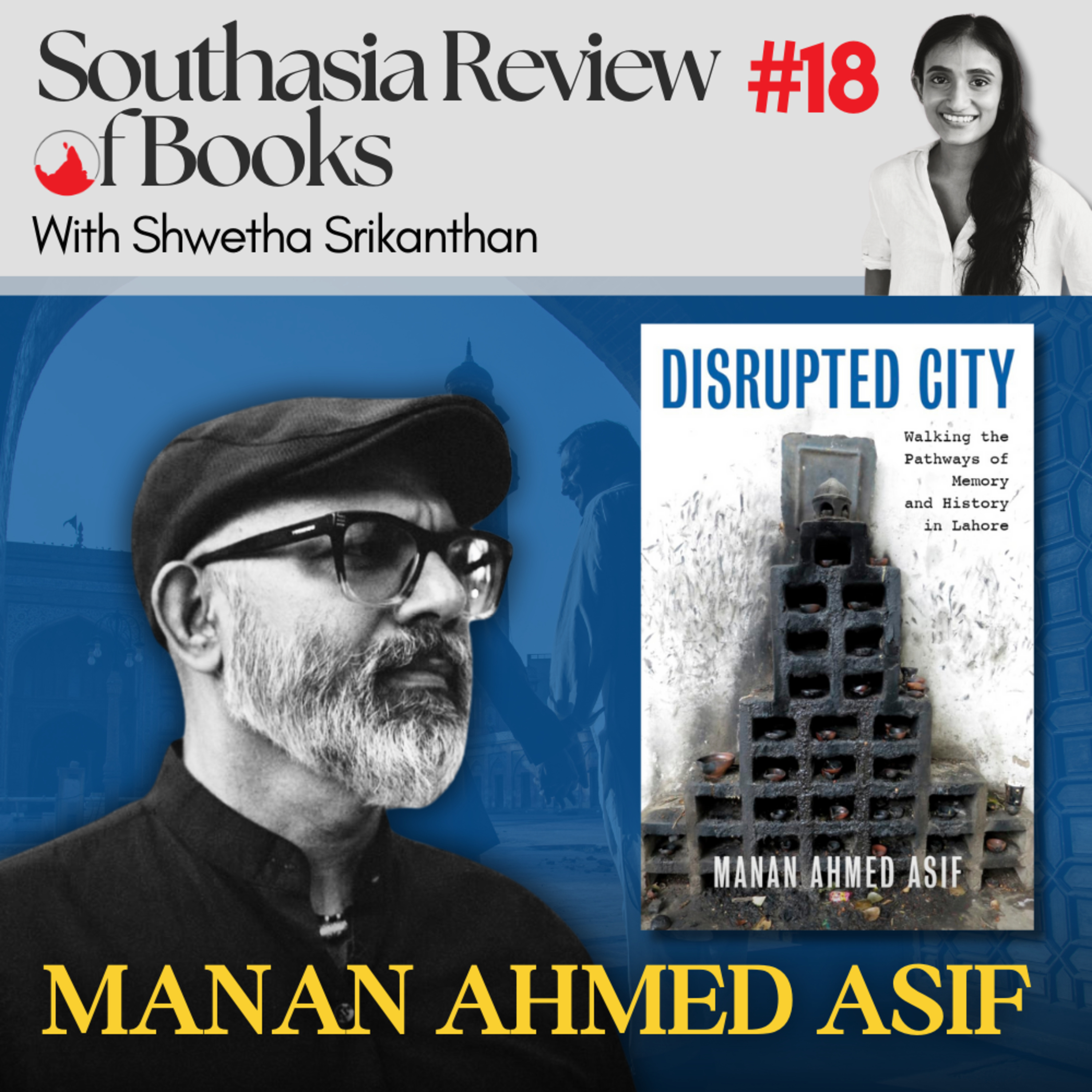
Manan Ahmed Asif on Lahore as a city exiled from its pasts: Southasia Review of Books podcast #18
A conversation onLahore’s histories, the role of itinerancy, memory and violence, and the questions of state control and nationalism in Pakistan. https://www.himalmag.com/podcast/manan-ahmed-asif-lahore-pakistan-writing-historyWelcome to the Southasia Review of Books Podcast from Himal Southasian, where we speak to celebrated authors and emerging literary voices from across Southasia. In this epis
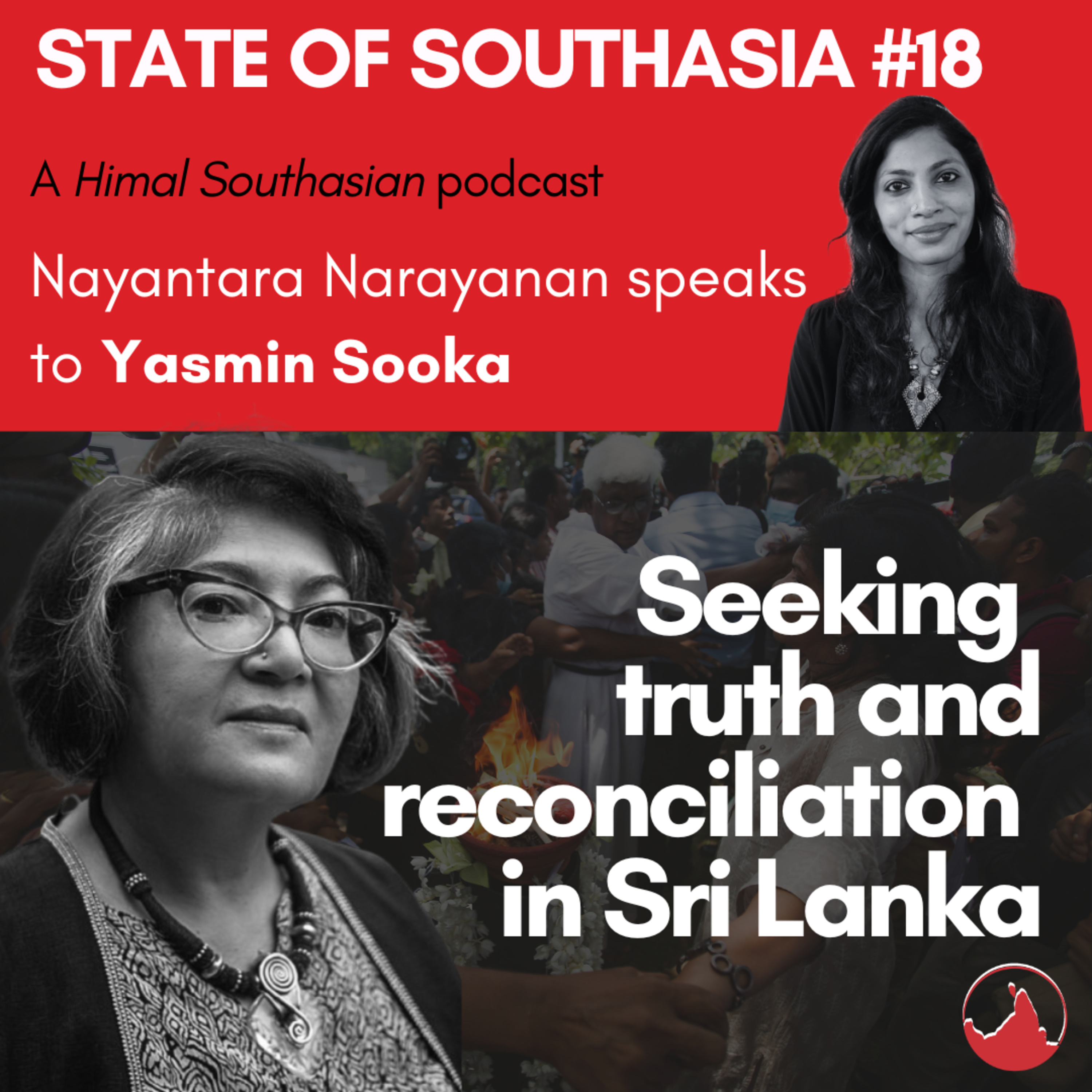
Yasmin Sooka on truth and reconciliation in Sri Lanka: State of Southasia #18
In December, the International Truth and Justice Project (ITJP), an international non-government organisation working to promote justice and accountability in Sri Lanka after its civil war, announced that it had in recent years submitted more than 60 sanction and travel ban requests against Sri Lankan officials and security personnel for alleged human rights violations committed during the country

Nusrat F Jafri on a personal history of caste and conversions in India: Southasia Review of Books podcast #17
Uncovering her maternal ancestors’ past rooted in the Bhantu identity, the cinematographer and writer Nusrat F Jafri offers a rare account of the so-called criminal tribe, the circumstances of their conversions and the continuities of caste oppression in India today.himalmag.com/podcast/nusrat-jafri-caste-conversions-identity-indiaWelcome to the Southasia Review of Books Podcast from Himal Southas

Kanupriya Dhingra on the survival of Old Delhi’s book bazaar: Southasia Review of Books podcast #16
A conversation with the book historian on how Daryaganj’s Patri Kitab Bazaar tells the story of Delhi’s urban aspirations, spatial politics and informal economies: https://www.himalmag.com/podcast/kanupriya-dhingra-delhi-daryaganj-book-bazaarWelcome to the Southasia Review of Books Podcast from Himal Southasian, where we speak to celebrated authors and emerging literary voices from across Southasi

Priyanka Dubey on the risks to journalists in India’s hinterlands: State of Southasia #17
On 3 January, the body of Mukesh Chandrakar, a journalist in the Bastar region of India’s Chhattisgarh state, was found in a septic tank, bearing signs that he had been brutally killed. He had been missing for two days. Investigations into the case indicate that his murder is linked to his reporting for a national news channel about corruption in a road construction project. The main accused in th

Weena Pun on the invisibility of women in Nepal’s society and literature: Southasia Review of Books podcast #15
A conversation with the Nepali-born writer on her debut novel ‘Kanchhi’, and capturing the realities of women’s lives in rural Nepal.https://www.himalmag.com/podcast/weena-pun-kanchhi-women-rural-nepal-literatureWelcome to the Southasia Review of Books Podcast from Himal Southasian, where we speak to celebrated authors and emerging literary voices from across Southasia. In this episode, Shwetha Sr

Susan Banki on the battles of Nepali-Bhutanese refugees: State of Southasia #16
Bhutan’s Nepali-speaking diaspora, created by the expulsion of the Lhotshampa in the 1990s, can help the country’s tottering economy, the researcher says – if the Bhutan government were ready to reach out.
In the introduction to her book The Ecosystem of Exile Politics: Why Proximity and Precarity Matter for Bhutan’s Homeland Activists, Susan Banki, a researcher of the international refugee syste

Sadaf Wani on the lifeworlds of Srinagar: Southasia Review of Books podcast #14
In her biography of the city, the Kashmiri writer highlights the complications of Srinagar’s identity and recentres the everyday lives of its people, particularly women.https://www.himalmag.com/podcast/srinagar-kashmir-identity-women-memory-tourism-history-sadaf-waniWelcome to the Southasia Review of Books Podcast from Himal Southasian, where we speak to celebrated authors and emerging literary vo

Southasia in review 2024
Putting the year in perspective, editor Roman Gautam and the hosts of Himal’s podcasts take a look back at the highlights, stories and episodes that shaped an extraordinary and challenging year
December is nearly over, and 2025 is just around the corner, so we’re bringing you a very special episode where Himal’s editor Roman Gautam and podcast hosts Nayantara Narayanan and Shwetha Srikanthan refl